


 / Featured Columns
Want to pack noodles for lunch but worry they’ll turn mushy or stick together overnight? Whether you’re taking lunch to work or school, a good noodle meal should be easy to prepare and still have a satisfying bite after reheating.
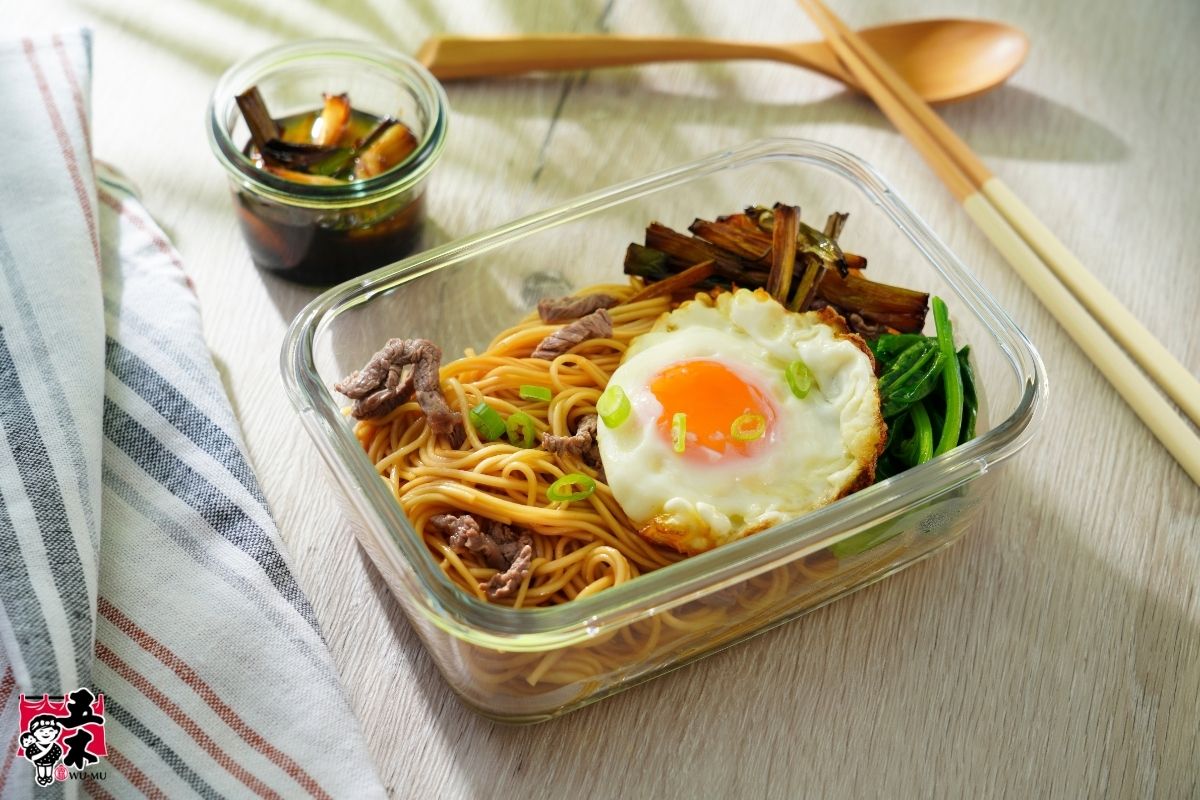
From savory stir-fries to comforting noodle soups, noodles can make a satisfying packed lunch. The key is choosing suitable noodles, cooking them to the right texture, and packing them with moisture in mind. These practical tips and three noodle lunch ideas will help you bring more variety to your everyday lunches.
Noodles can soften as they absorb liquid from broth or sauce during storage. Excess water and starch left on their surfaces can also encourage clumping. For better noodle meal prep, focus on choosing the right noodles, draining them thoroughly, and packing them properly.
Choose noodles that suit the cooking method. Whether you’re preparing soup, stir-fried noodles, or noodles tossed with sauce, choose a variety with a firm, springy texture that holds up well to reheating.
Cook through while keeping some bite. Follow the package instructions as a starting point, cooking the noodles until fully cooked but still firm. Avoid making them too soft at this stage, especially if they will also be stir-fried. Drain thoroughly so leftover cooking water doesn’t dilute the sauce or collect in the container.
Pack broth and sauces according to the dish. For noodle soup, keep the broth separate until lunchtime. For tossed noodles, a light coating of oil or sauce can help keep the strands apart; reserve extra sauce to add later. For stir-fried noodles, cook off excess moisture from vegetables and use enough sauce to coat the noodles without leaving a puddle underneath.
Prepare these dishes the night before, divide them into shallow containers, and refrigerate promptly. Carry your lunch in an insulated bag with ice packs, then refrigerate it when you arrive at work or school. At lunchtime, reheat thoroughly in microwave-safe containers, stirring to ensure even heating.
For a comforting lunch, start with a simple miso soup. Add mushrooms, sliced carrots, or tofu to water or broth and simmer until cooked. Reduce the heat, then stir in miso paste to taste.
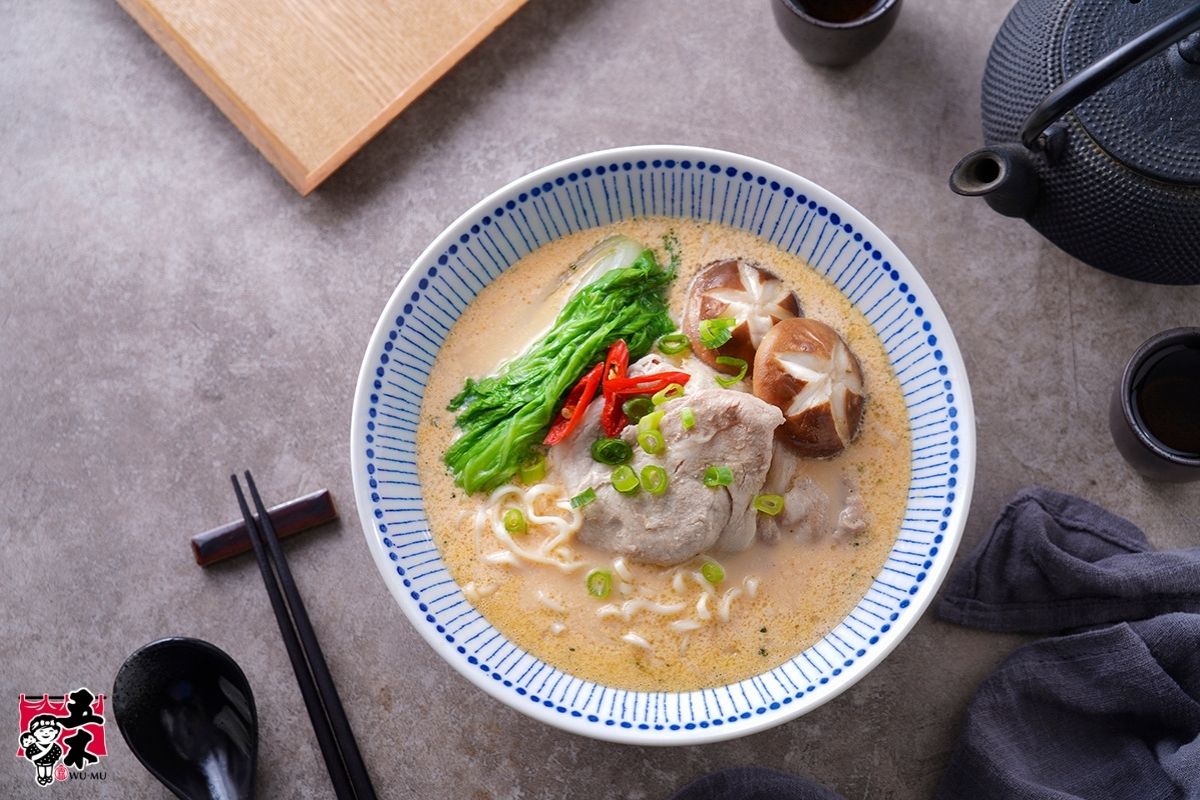
Cook Origin Flavor Noodles separately, drain well, and place them in a lunch container. Pack the miso broth and vegetables together in a separate leakproof soup container. This keeps the noodles from soaking up the broth overnight and becoming overly soft.
At lunchtime, reheat the noodles and the soup separately in microwave-safe containers until hot throughout. Pour the soup over the noodles just before eating and gently loosen the strands.
If you prefer a savory lunch with a peppery kick, try black pepper beef noodles. Stir-fry thinly sliced beef until cooked, then remove it from the pan. Add sliced onions or bell peppers and stir-fry until fragrant, allowing excess moisture to evaporate.
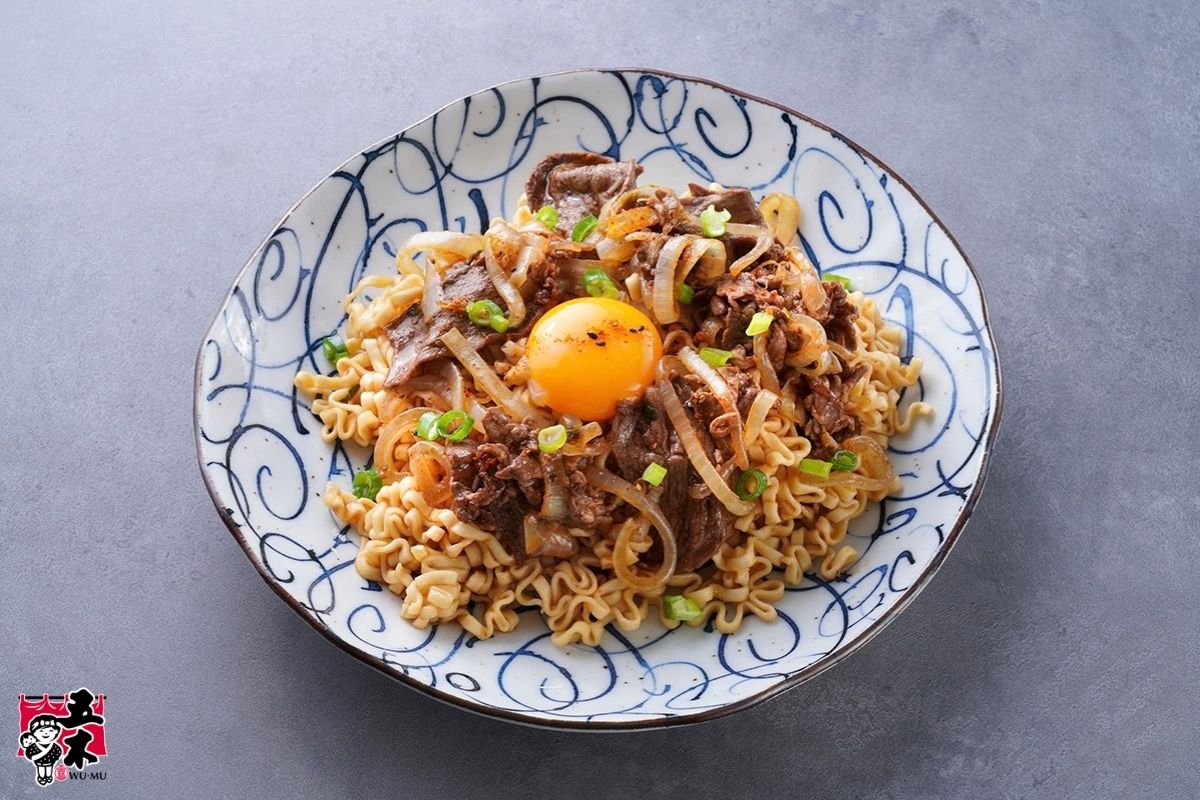
Add cooked, well-drained Origin Flavor Noodles, then season with black pepper and soy sauce. Return the beef to the pan and toss briefly until everything is evenly combined.
Aim for a light, even coating of sauce without excess liquid pooling in the pan.
The next day, microwave in short intervals, stirring between each one until the noodles and beef are hot throughout.
Shanghai scallion oil noodles bring together the aroma of gently fried scallions and the savory flavor of soy sauce. With just a few ingredients, they make an easy alternative to your usual packed lunch.
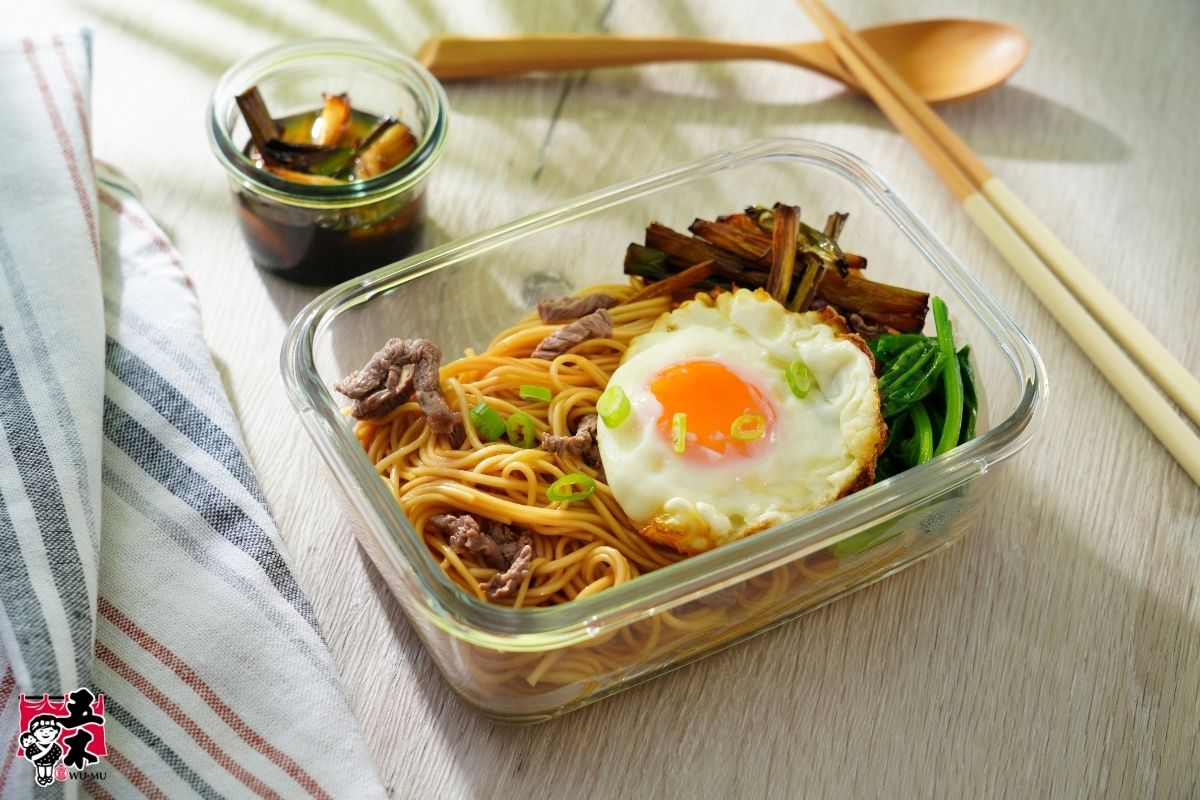
Wash and thoroughly dry the scallions, then cut them into sections. Heat some oil in a pan over low heat and slowly cook the scallions until golden brown. Remove and set them aside. Carefully stir soy sauce and a little sugar into the oil over low heat to make the sauce.
Cook Thin Kan-To noodles and drain thoroughly. Before the strands begin sticking together, toss them with enough scallion oil sauce to coat evenly, then add the browned scallions.
The next day, sprinkle the noodles with a little water if they seem dry, then microwave in short intervals, gently loosening and stirring between each interval until hot throughout.
Different noodle dishes call for different shapes and textures. The thin, round strands of Thin Kan-To noodles work well with scallion oil sauce, while Origin Flavor Noodles provide a versatile base for both miso vegetable soup and black pepper beef stir-fries.
Noodle quality also starts with production. At SING-LIN FOODS, we bring more than 40 years of noodle-making experience to flour blending, multistage rolling, resting, and drying, supporting consistent texture and quality. For brands developing noodle products, our noodle OEM manufacturing services can help plan noodle and seasoning combinations around your product requirements.
With the right noodles and proper cooking, packing, and reheating, noodles for lunch can become a practical part of your weekly routine—full of flavor and with a satisfying bite the next day.
Related reading:
One-Pot Noodle Recipes: 3 Easy Meals Anyone Can Make
How to Cook Ramen Noodles Without Making Them Mushy
Easy 3-Minute Ramen Noodle Recipes for Everyday Comfort
SING-LIN FOODS production lines have passed FSSC 22000 food safety management system certification by SGS, a trusted international third-party certification body. FSSC 22000 combines ISO 22000 and HACCP to provide enhanced risk control and quality management that ensures the highest safety standards are maintaining throughout the production process.
We also undergo regular food safety audits from large enterprises including Costco and Carrefour to demonstrate our commitment to quality and safety. We are continuing to optimize our production processes as well to become a trusted OEM partner.


© Copyright SING-LIN FOODS CORP. All Rights Reserved.
© Copyright SING-LIN FOODS CORP.
All Rights Reserved.


