


 / Featured Columns
A guide to cooking Asian noodles with perfect texture every time.
You've done everything right when cooking ramen noodles. The water's boiling. The timer's set. You drain the pot—and somehow the noodles turn into a soft, sticky mess. At your favorite ramen shop they're springy and light; at home they go heavy and dull.
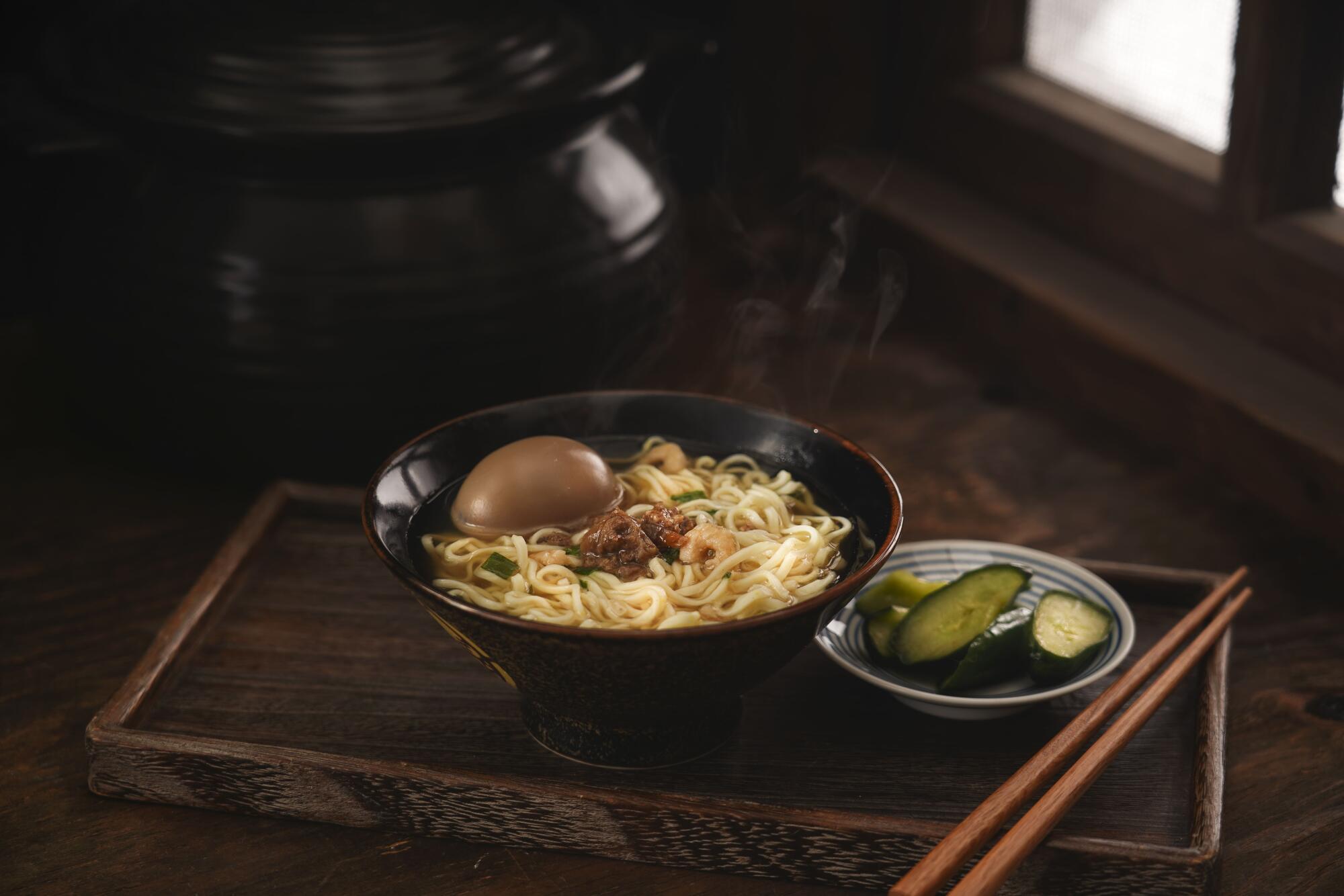
You're not doing anything wrong—you just need to understand what's happening beneath the surface. After four decades of making Asian noodles at SING-LIN FOODS, we've learned that perfect ramen noodles aren't about luck. It starts with managing surface starch, understanding your noodle type, and choosing noodles designed for clarity and stability.
Understanding how to cook ramen noodles properly starts with understanding the science. When noodles hit boiling water, the starch on their surface swells and begins to release. That's why the water turns slightly cloudy and slick. If too much starch comes off at once, it coats the noodles and makes them stick. Cook directly in broth and that surface starch can dull delicate flavors and cloud the soup.
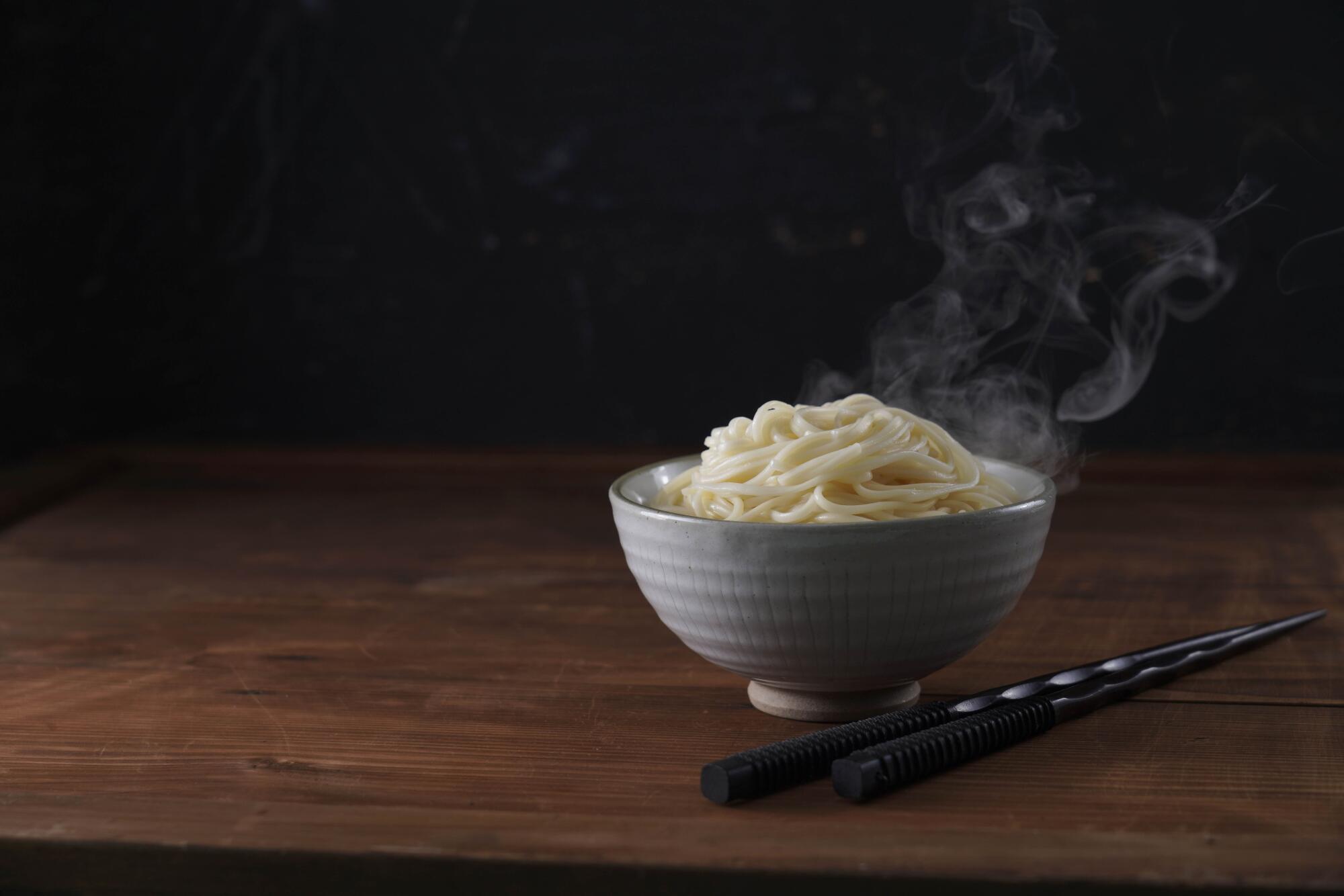
The key to cooking ramen noodles that stay springy lies in three factors:
Use plenty of water at a rolling boil—at least 1 liter per 100g of noodles. Ample water disperses starch and maintains steady heat. Too little water means starch has nowhere to go, turning your pot into a sticky mess. This applies whether you're cooking Asian noodles for soup, stir-fry, or cold dishes.
Ramen noodles get their bounce from gluten developed during mixing and rolling. Cook past the sweet spot and that structure breaks down; stop too early and the center stays chalky and undercooked. Finding the "just right" timing keeps noodles springy without turning mushy.
Flour strength, dough moisture, and whether the noodle is steam-cooked or air-dried all affect how much surface starch releases and how stable the texture remains. High-quality Asian noodles made with refined processes release less surface starch, keeping your broth clear and noodles perfectly chewy.
At SING-LIN FOODS, we refine every step so the texture stays consistent. Each batch uses a higher dough moisture ratio and multiple rolling stages to strengthen the gluten network. We use premium heart flour, the purest part of the wheat kernel, to create a cleaner base and a naturally resilient bite. Our multi-stage, low-temperature drying process stabilizes the noodle structure and greatly reduces surface starch release during cooking.
Cooking ramen noodles may seem simple, but the secret lies in the details. With these adjustments, you can keep noodles springy, broth clear, and recreate that restaurant-level texture at home.
This is the most critical step when cooking Asian noodles. Use at least 1 liter of water for every 100g of noodles, giving strands enough room to move freely. Make sure the water is fully boiling before adding noodles, and stir gently in the first 30 seconds to separate them evenly.
Maintaining a steady boil helps starch disperse naturally and prevents clumping. If the pot is too small or too many noodles are added at once, the temperature drops and starch can't fully disperse—causing noodles to stick and broth to turn cloudy.
Different noodle shapes and thicknesses require different cooking times. Thin noodles usually take about 4–6 minutes, while thick or knife-cut noodles need 5–10 minutes to allow heat to reach the center evenly. Sheet noodles and straight noodles also cook differently because of their shape and surface area—sheet noodles conduct heat quickly, while straight noodles need a little extra time.
The most accurate way to judge doneness is simple: taste-test during the final 30 seconds. When the center is cooked through but still springy, that’s the just-right texture.
Whether you rinse depends on the dish. For cold noodles or stir-fries, drain immediately and rinse under cold water to stop residual cooking and remove excess starch. For soup noodles, skip the rinse. A thin film of starch helps the broth cling to the noodles while keeping the soup clear. Don’t let cooked noodles sit in hot water—they’ll continue to absorb moisture, turn soft, and lose their bite. The rule is simple: rinse quickly for cold dishes, serve fast for soups.
Most chefs recommend cooking noodles and soup separately: one pot for boiling noodles, another for heating broth. This “two-pot method” is the secret behind restaurant-quality ramen where the broth stays clear and the noodles stay bouncy. Once both are ready, combine them in the bowl.
However, low surface-starch noodles from SING-LIN FOODS can also be cooked directly in soup without clouding the broth—a major advantage for convenience. For dry or stir-fried noodles, add a small spoon of noodle water to help the sauce emulsify and cling better. For clear or delicate broths, keep the soup pure and skip the noodle water altogether.
Not all Asian noodles behave the same way. Each type has its own texture, structure, and best use. By choosing the right noodle, you can easily achieve perfect flavor and bite every time.
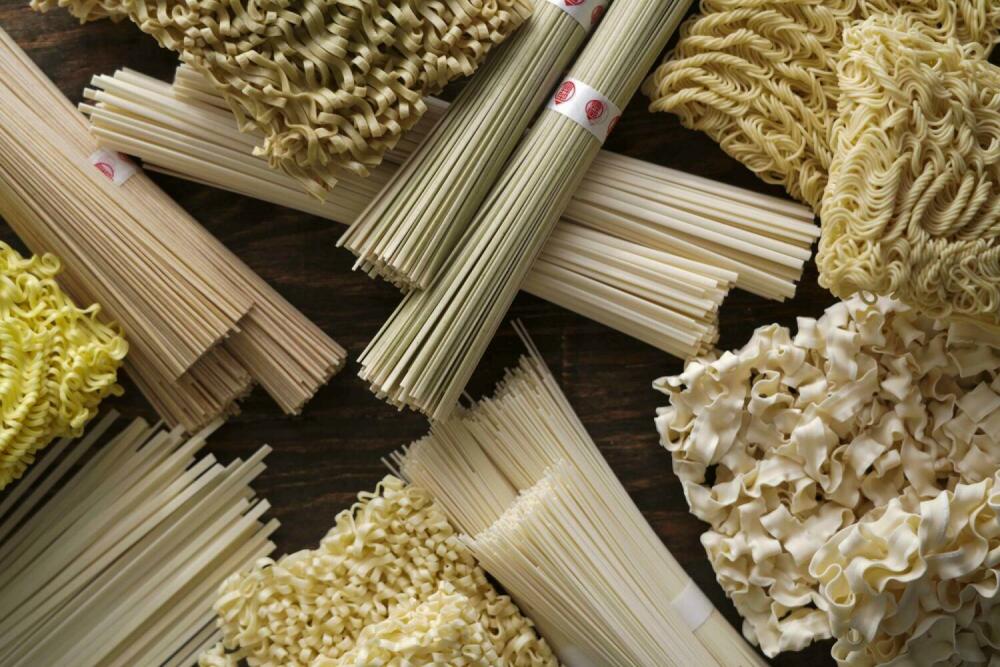
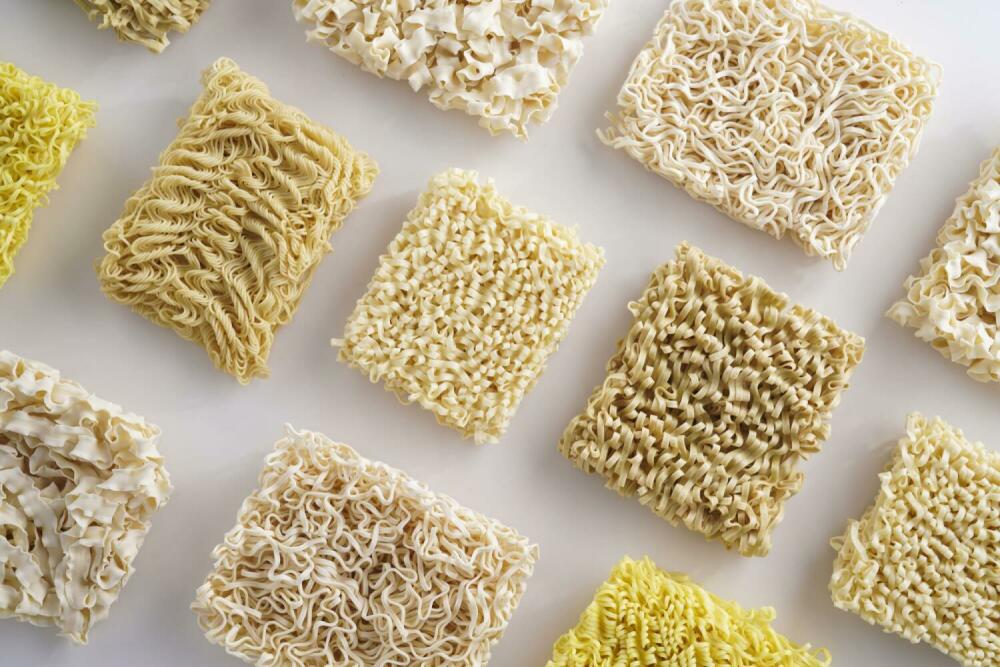
Best for clear soups and light broths. Steam-cooked noodles are steamed before drying to set the protein and create a stable, non-sticky texture. Visually similar to instant noodle sheets but completely oil-free and healthier, they keep the broth bright and pure with a clean, delicate flavor.
A versatile everyday option for any Asian noodle dish—perfect for soup, stir-fry, or dry noodles. Made with high dough moisture and precisely controlled drying, air-dried ramen noodles stay springy and firm even if cooked a little longer. Easy to handle and nearly foolproof, they’re ideal for busy home cooks and consistent restaurant service.
With broad, rippled strands that hold more sauce, wide wavy noodles deliver flavor in every bite. Their wavy shape helps heat distribute evenly during cooking, so they stay bouncy and never clump. Light yet chewy, wide wavy noodles pair beautifully with rich, aromatic stir-fries or dry noodle dishes.
Thick, hearty, and full of handmade character. Because of their uneven surface, they release more starch during cooking—so use plenty of water, stir gently in the first 30 seconds, and taste near the end for the perfect chew. To reduce starch release while keeping the broth clear and the texture bouncy, SING-LIN FOODS developed the Lotus-Edge knife-cut noodle, crafted with a special process for clean, resilient noodles that hold up beautifully to rich sauces and braised dishes.
Rule of thumb when cooking Asian noodles: If the broth is the star, choose steam-cooked sheet noodles. If versatility matters most, choose air-dried straight noodles.
For more noodle types and formats, explore the SING-LIN FOODS product range.
At SING-LIN FOODS, we believe the secret to great noodles is decided long before the water starts to boil. From precise dough hydration to the pressure of each rolling pass, every step is designed for stable elasticity and consistent flavor. Because true quality starts with precision.
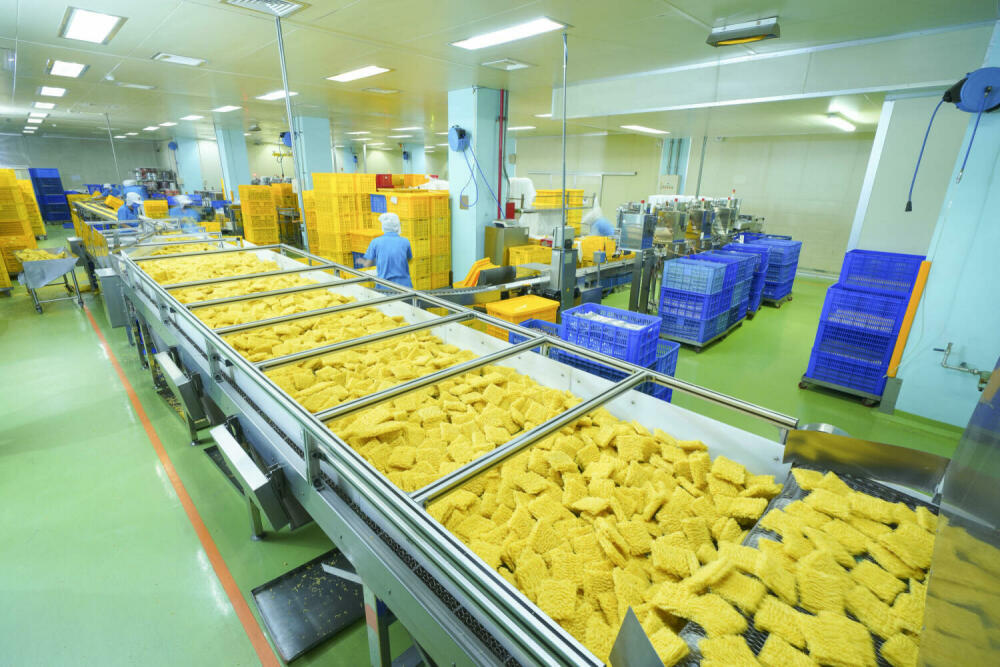
Each batch of steam-cooked noodles is crafted under tightly controlled time and temperature. This process helps the dough mature evenly and minimizes surface starch release during cooking—keeping the broth bright, clear, and pure in flavor. Even when cooked directly in soup or left simmering a little longer, these noodles stay smooth, springy, and satisfying. That crystal-clear bowl of soup is the best proof of time and craftsmanship.
Take Wu-Mu thin kan-to noodles, for example. Compared with ordinary dry noodles, they contain higher moisture and are made with a proprietary flour formula developed in partnership with Taiwan’s industry experts and academia. This specialized blend gives them a stable texture and flexible cooking window, making them ideal for soups, stir-fries, or sauced bowls.
In simple terms: even if you cook them a little longer, they’re easy to get right. Reliable, springy, and easy to handle — these noodles are designed for busy modern kitchens that value both quality and convenience.
This dedication to detail is what has defined SING-LIN FOODS for over 40 years. From steam-cooked sheets to air-dried ramen, every noodle we make reflects our balance between professional-grade craftsmanship and home-cooking simplicity.
Learn more about our OEM and private-label programs to see how SING-LIN FOODS can customize noodles for your brand or market.
Cooking great noodles at home is simpler than it seems. It all comes down to three essentials: use plenty of water, time your cooking precisely, and choose the right noodles for the dish. Do these three things, and your noodles will stay springy, smooth, and consistent every time.
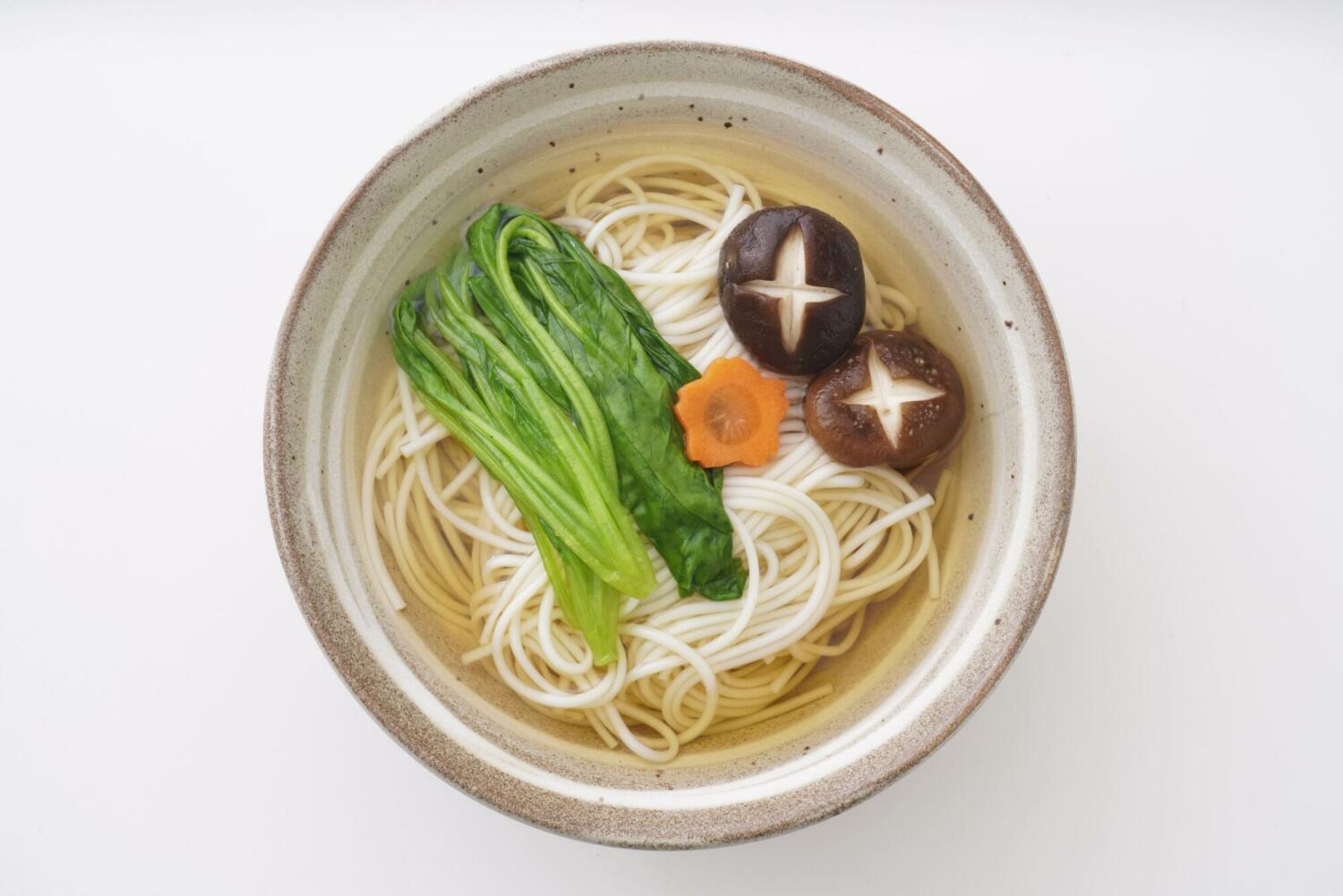
At SING-LIN FOODS, we build that same reliability into every batch.
For a clean, clear soup, choose our steam-cooked sheet noodles, which are oil-free and keep the broth bright and pure. For everyday versatility and convenience, air-dried noodles like Wu-Mu thin kan-to are the ideal choice — stable, elastic, and easy to cook. From traditional knife-cut noodles to modern air-dried ramen, we’ve spent forty years perfecting the balance between professional texture and home-kitchen ease.
We carefully select premium heart flour, the purest part of the wheat kernel, for a clean, refined base. Through high-moisture aging and multi-stage low-temperature drying, each noodle strand maintains its structure and springy bite without turning soggy. Every detail reflects our single goal: to deliver a bowl of noodles that’s consistently delicious, every time.
Because at SING-LIN FOODS, we’ve always believed that a good bowl of noodles should never be hard work.
Ready to experience the difference? Explore SING-LIN FOODS product range.
SING-LIN FOODS production lines have passed FSSC 22000 food safety management system certification by SGS, a trusted international third-party certification body. FSSC 22000 combines ISO 22000 and HACCP to provide enhanced risk control and quality management that ensures the highest safety standards are maintaining throughout the production process.
We also undergo regular food safety audits from large enterprises including Costco and Carrefour to demonstrate our commitment to quality and safety. We are continuing to optimize our production processes as well to become a trusted OEM partner.


© Copyright SING-LIN FOODS CORP. All Rights Reserved.
© Copyright SING-LIN FOODS CORP.
All Rights Reserved.


