


 / Featured Columns
After a long, busy day, you may want a simple bowl of noodles without spending too much time preparing ingredients or washing cookware. One-pot cooking offers a convenient solution: by adding the noodles and other ingredients to the same pot based on how long each takes to cook, even beginners can easily prepare a satisfying meal.
However, one-pot cooking does not mean adding everything at once. The order in which ingredients go into the pot, the amount of liquid used, and when the noodles are added can all affect how concentrated the broth becomes and the texture of the noodles. With a few basic principles, one type of plain ramen can be used to create different one-pot dishes, from comforting noodle soups to flavorful sauce-tossed noodles.
Aromatics and ingredients that take longer to cook should go into the pot first. This allows their flavors to develop fully while ensuring they have enough time to cook through. Next, add water or broth to create the base for cooking the noodles. After adding the plain ramen, add quicker-cooking ingredients—such as leafy greens, thinly sliced meat, and seafood—based on how quickly they cook. This helps prevent the vegetables from becoming too soft, the meat from turning tough, or the noodles from becoming overly mushy.
In short, follow this order:
Aromatics and slower-cooking ingredients + water or broth + plain ramen + quicker-cooking vegetables and other ingredients
The amount of liquid should be adjusted according to the type of dish. For noodle soup, keep in mind that the noodles will absorb some of the liquid as they cook, so make sure you leave enough broth. For sauce-tossed noodles, pour off the excess water after the noodles are cooked, leaving a small amount of the noodle-cooking water in the pot to mix with the sauce. This helps adjust the sauce’s consistency and allows it to coat the noodles more evenly.
Wu-Mu Original Flavor Noodles pair well with a wide range of broths and sauces, making them well suited to one-pot cooking. The following three one-pot noodle recipes use common ingredients and require no complicated techniques, allowing you to prepare a complete meal with minimal effort and cleanup.
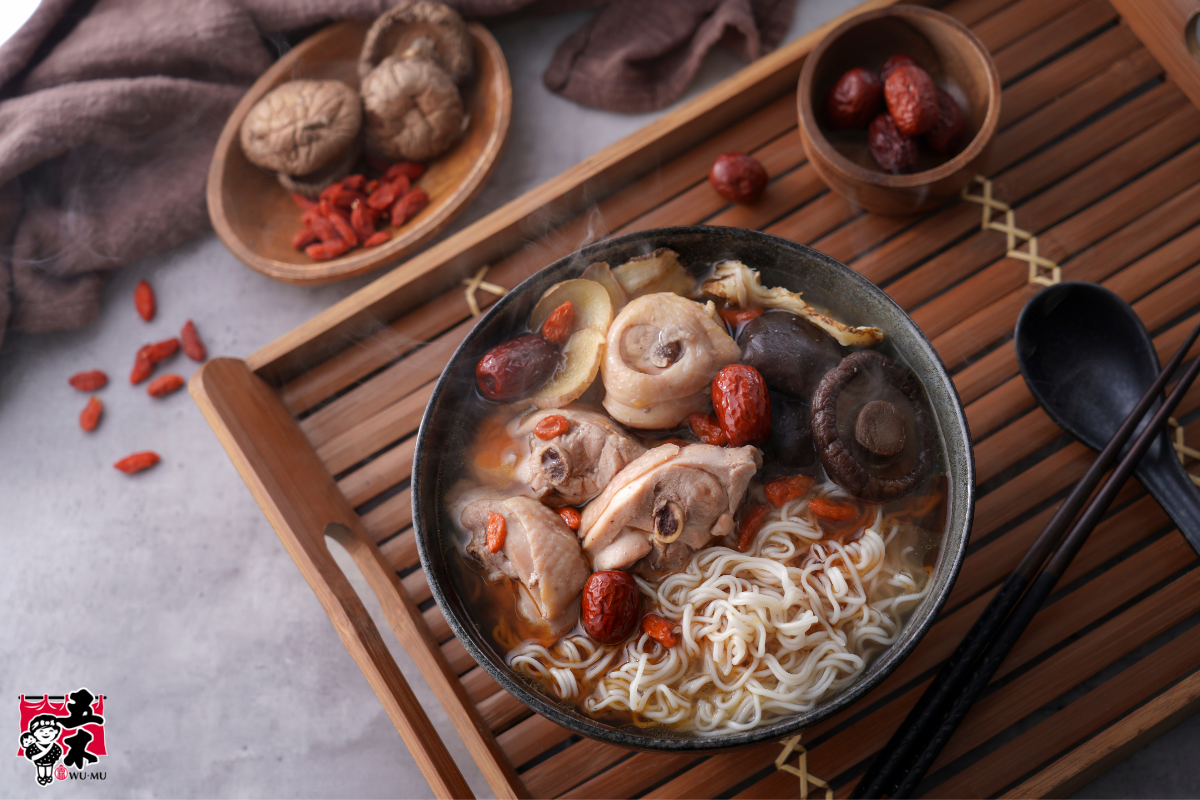
Heat the sesame oil over medium-low heat. Add sliced ginger and cook slowly until fragrant, then add chicken thighs cut into bite-size pieces and sauté gently.
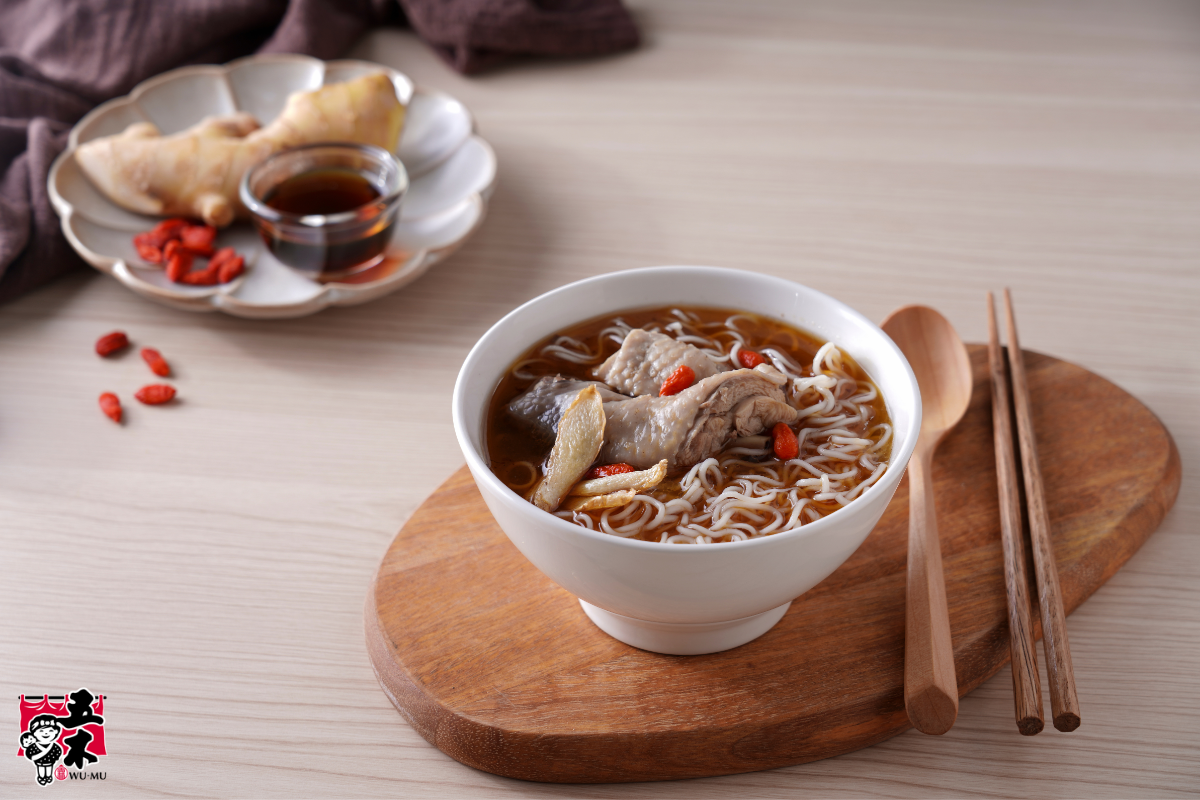
Once the outside of the chicken is no longer pink, pour in broth or water and bring it to a boil. Reduce the heat and simmer until the chicken is nearly cooked through, then add the plain ramen noodles.
When the noodles reach your preferred texture, add the leafy greens and cook briefly until tender. Add the goji berries just before removing the pot from the heat.
The aromas of ginger, sesame oil, and chicken infuse the broth, while the noodles absorb its rich, savory flavor. Before serving, make sure the chicken is fully cooked. Avoid heating sesame oil over high heat for too long, as gentle cooking helps preserve its aroma.
Pour the broth into a pot and add vegetables that are suitable for simmering, such as carrots, onions, or tomatoes.
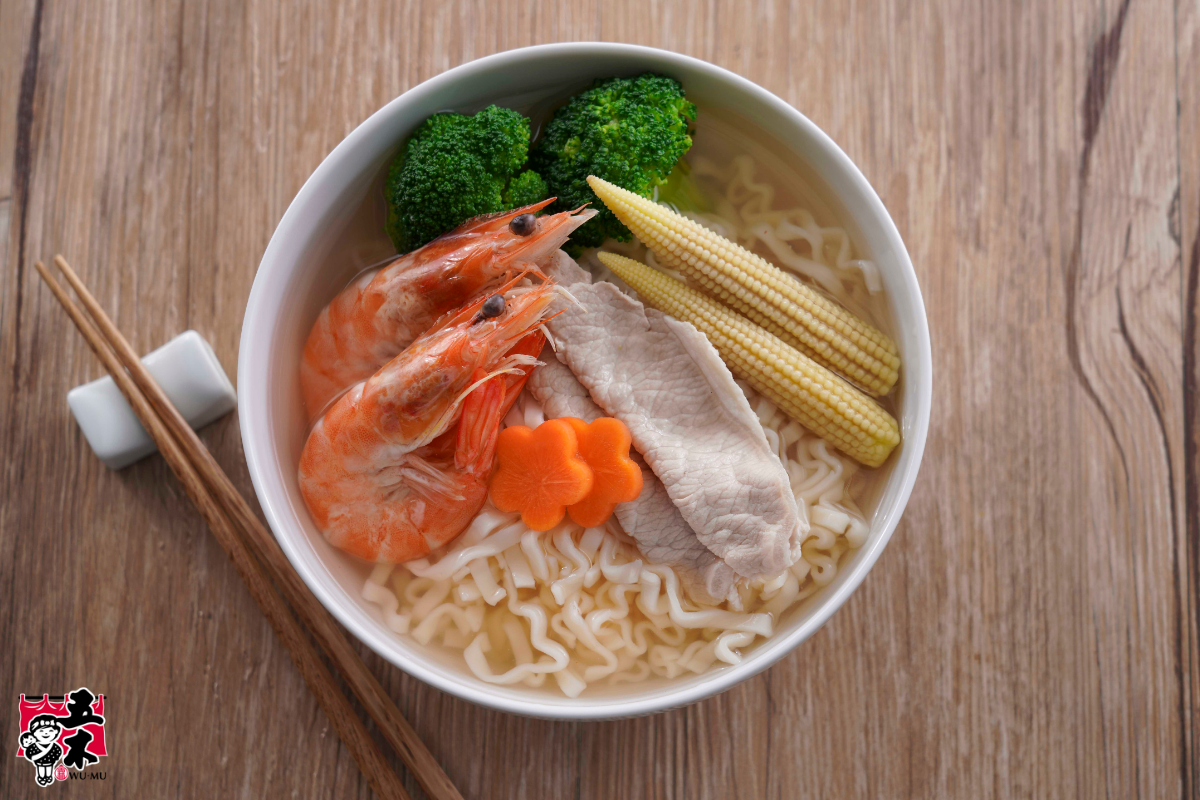
Once the broth comes to a boil, add the plain ramen noodles. Allow the noodles to soften and gradually separate before adding the thinly sliced pork, shrimp, and leafy greens.
Thinly sliced pork and shrimp cook relatively quickly, so adding them later helps prevent them from becoming dry or tough while preserving their natural sweetness and flavor. Once the pork and shrimp are fully cooked, turn off the heat and serve.
If you prefer noodles without broth, you can still prepare the entire dish in a single pot. Bring water to a boil, then add the mushrooms and plain ramen noodles. When the noodles are nearly at your preferred texture, add the leafy greens and cook briefly until the greens are just tender.
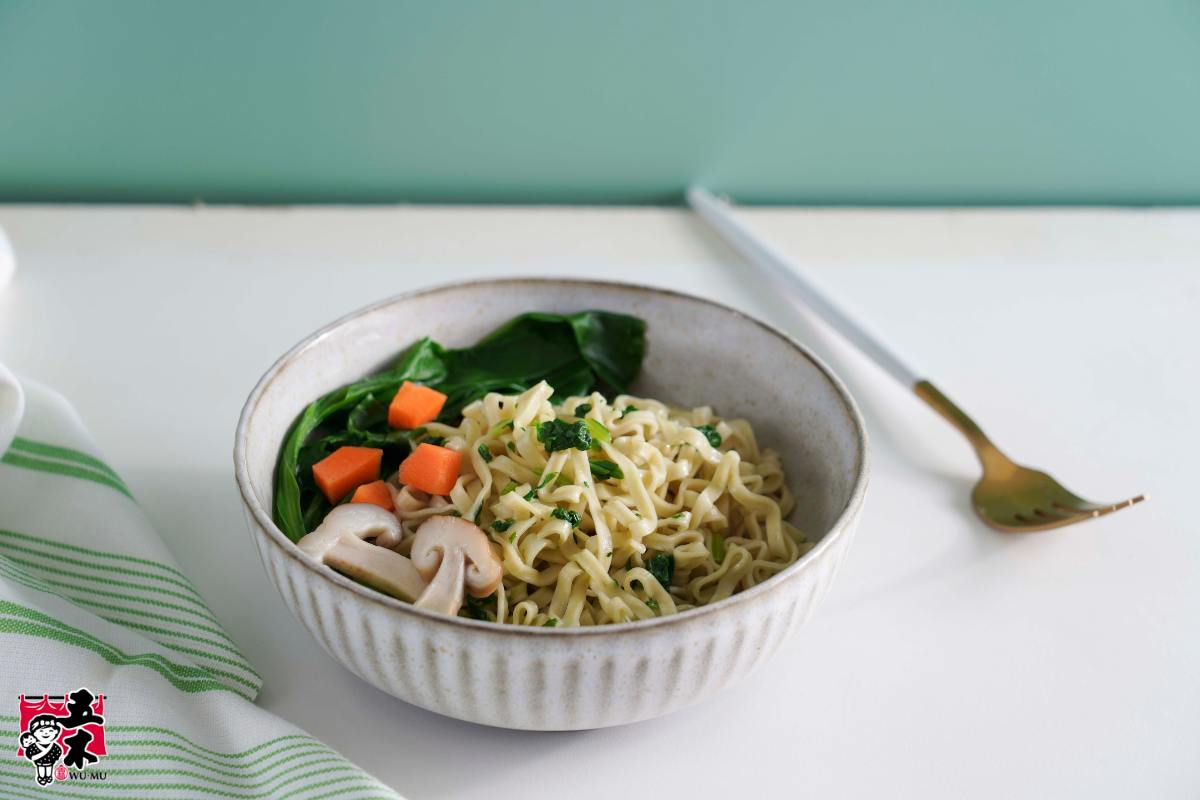
Carefully pour off most of the noodle water, leaving a small amount in the pot. Turn off the heat, add soy sauce to taste, and toss until everything is evenly coated. Finish with a drizzle of sesame oil.
The starch in the reserved noodle water helps the sauce coat the noodles evenly. The savory mushrooms and subtle sweetness of the leafy greens create a light yet satisfying dish. You can also add pepper or chili oil to vary the flavor.
Wu-Mu Original Flavor Noodles is easy to customize with different seasonings. Whether paired with a rich or light broth or a simple sauce, it can take on a variety of flavors. Its wavy shape helps broth and sauce cling evenly to the surface, allowing the same noodles to work well across different dishes.
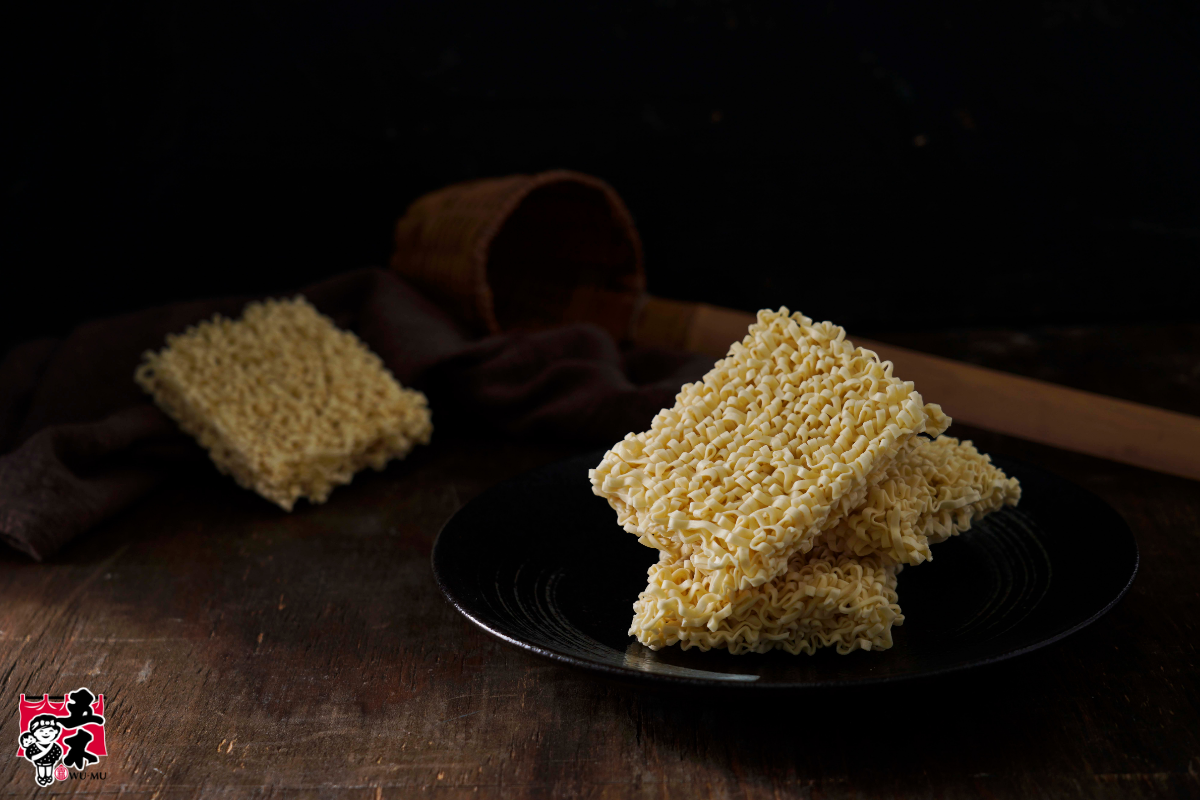
For consumers, changing the broth, sauce, and other ingredients makes it easy to create a variety of one-pot meals with the same plain ramen. For food brands, a versatile noodle format also creates more opportunities to develop products for different flavors, applications, and market positions.
Backed by years of noodle-making experience and a diverse range of production equipment, SING-LIN FOODS provides customized noodles and OEM services based on each brand’s positioning, product application, and flavor requirements. We help brands develop noodle products suitable for soups, sauce-tossed preparations, and other meal formats, giving one versatile noodle format greater potential across different flavor concepts and market offerings.
Further Reading:
Clean Out the Fridge: Creative Leftover Noodle Recipes
Easy 3-Minute Ramen Noodle Recipes for Everyday Comfort
How to Cook Ramen Noodles Without Making Them Mushy
SING-LIN FOODS production lines have passed FSSC 22000 food safety management system certification by SGS, a trusted international third-party certification body. FSSC 22000 combines ISO 22000 and HACCP to provide enhanced risk control and quality management that ensures the highest safety standards are maintaining throughout the production process.
We also undergo regular food safety audits from large enterprises including Costco and Carrefour to demonstrate our commitment to quality and safety. We are continuing to optimize our production processes as well to become a trusted OEM partner.


© Copyright SING-LIN FOODS CORP. All Rights Reserved.
© Copyright SING-LIN FOODS CORP.
All Rights Reserved.


