


 / Featured Columns
There's a moment most home cooks know well: you're standing in the noodle aisle, staring at a wall of options, trying to figure out which one belongs in tonight's pot. Thin or thick? Egg noodles or wheat noodles? Most of us just grab the familiar one and move on.
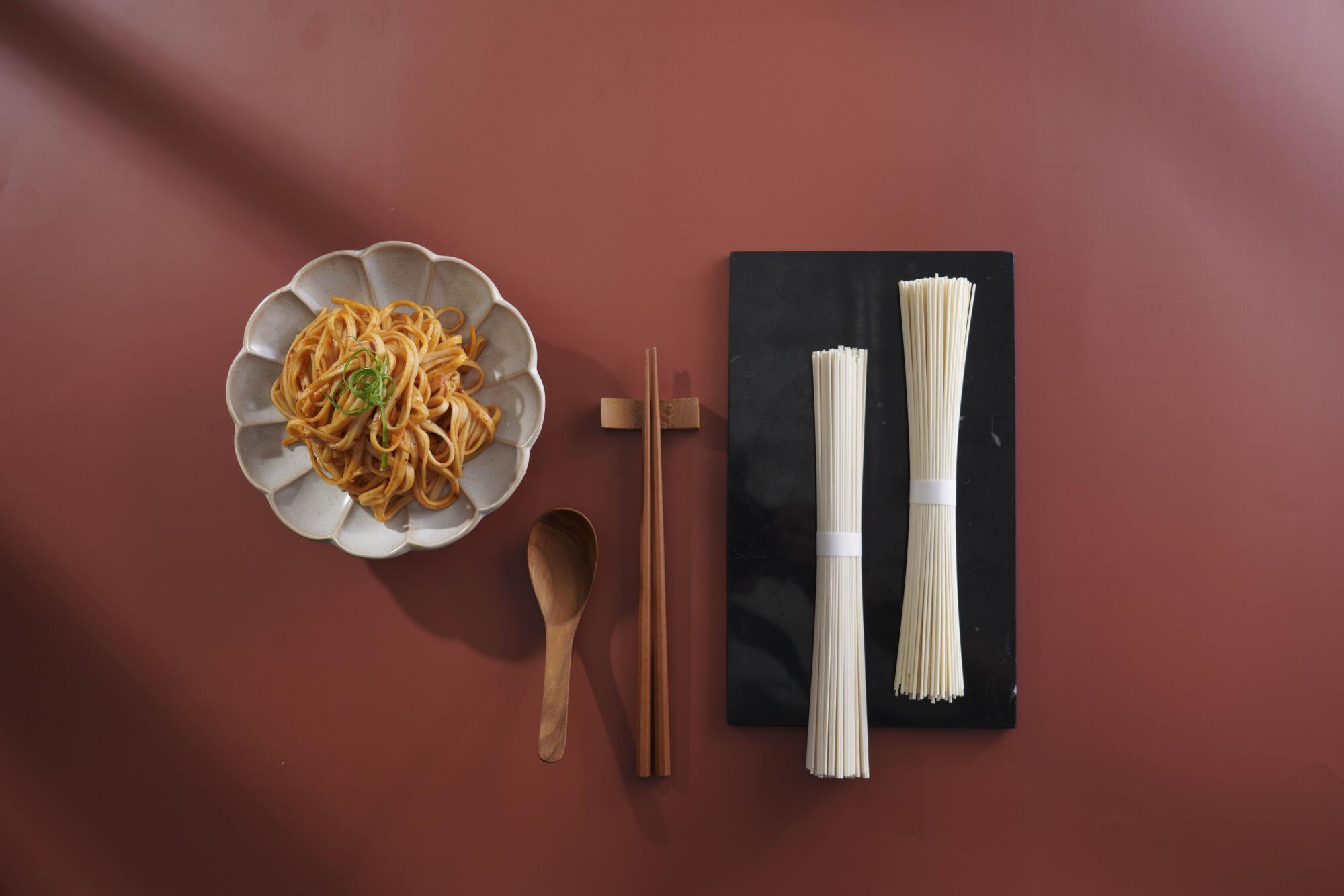
But here's what experienced noodle makers have always known: the noodle you choose is not an afterthought. It's the foundation of the dish. A noodle doesn't just carry flavor. It shapes it, amplifies it, or holds it in balance.
At SING-LIN FOODS, this thinking has guided our craft for over 40 years. Every noodle we produce is built for a specific purpose, whether that is clear soup, stir fry, Taiwanese beef noodle soup, or dry noodle dishes. This guide explains how to choose the right noodle for each.
The visible differences between noodles, such as thickness, color, and shape, are only part of the story. What really determines how a noodle behaves in a dish is how it is made: ingredient ratios, moisture content, gluten development, and the production process behind it.
These qualities shape the role a noodle plays. Some are designed to amplify delicate flavors, carrying broth cleanly into every bite. Others are crafted to support heavier ones, holding their own against thick sauces and bold broths. Getting that match right is what separates a good bowl from a great one.
Rather than matching noodles to recipe names, think about what the dish actually needs. Is it a soup, a stir fry, or a dry noodle dish? Is the flavor light and delicate, or rich and full-bodied? Once those questions are answered, the right noodle becomes clear.
Further Reading: How Many Steps Does It Take to Make a Noodle?
Use the table below as a quick guide to matching noodle types with different dishes, broth styles, and sauce textures.
In clear broth dishes, what matters is not just whether the soup tastes good, but whether the noodle can carry that flavor without disturbing it. For lighter, gently simmered soups like mushroom chicken noodle soup, thin noodles and egg noodles are the natural choice.
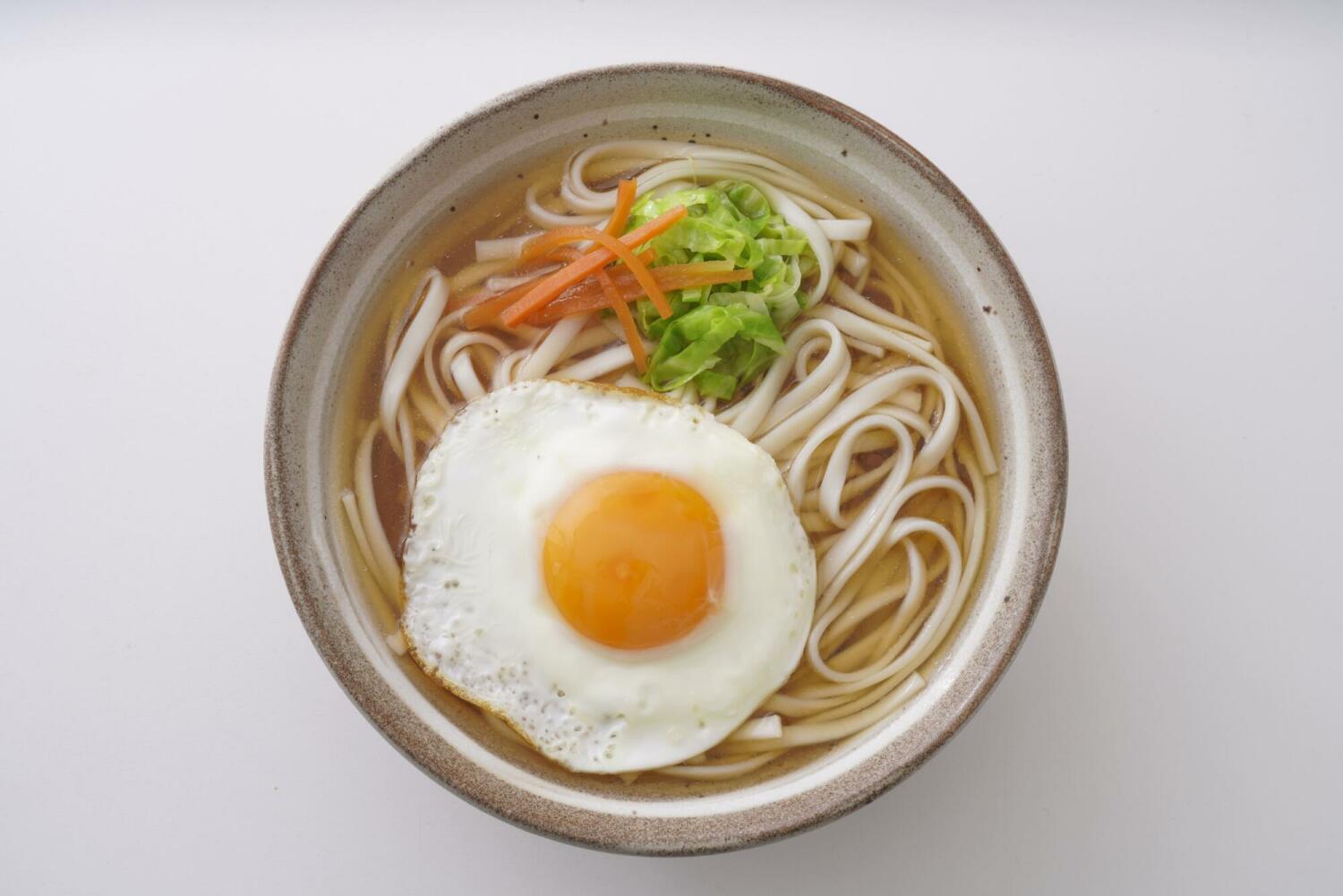
Their finer shape gives them more contact with the broth, so the flavor coats the noodle evenly in each bite rather than being overshadowed by the noodle itself. They're gentle on the palate, keeping attention on the soup rather than the noodle. And because they release less starch during cooking, the broth stays clear and bright rather than cloudy.
Egg noodles add a subtle yolk richness that gives the soup just enough body without weighing it down. The noodle's role in a clear broth is not to stand out. It's to let the soup speak for itself.
Stir frying is one of the biggest tests a noodle can face. Under high heat and constant tossing, it needs to keep its shape, resist breaking, and avoid turning soft too quickly.
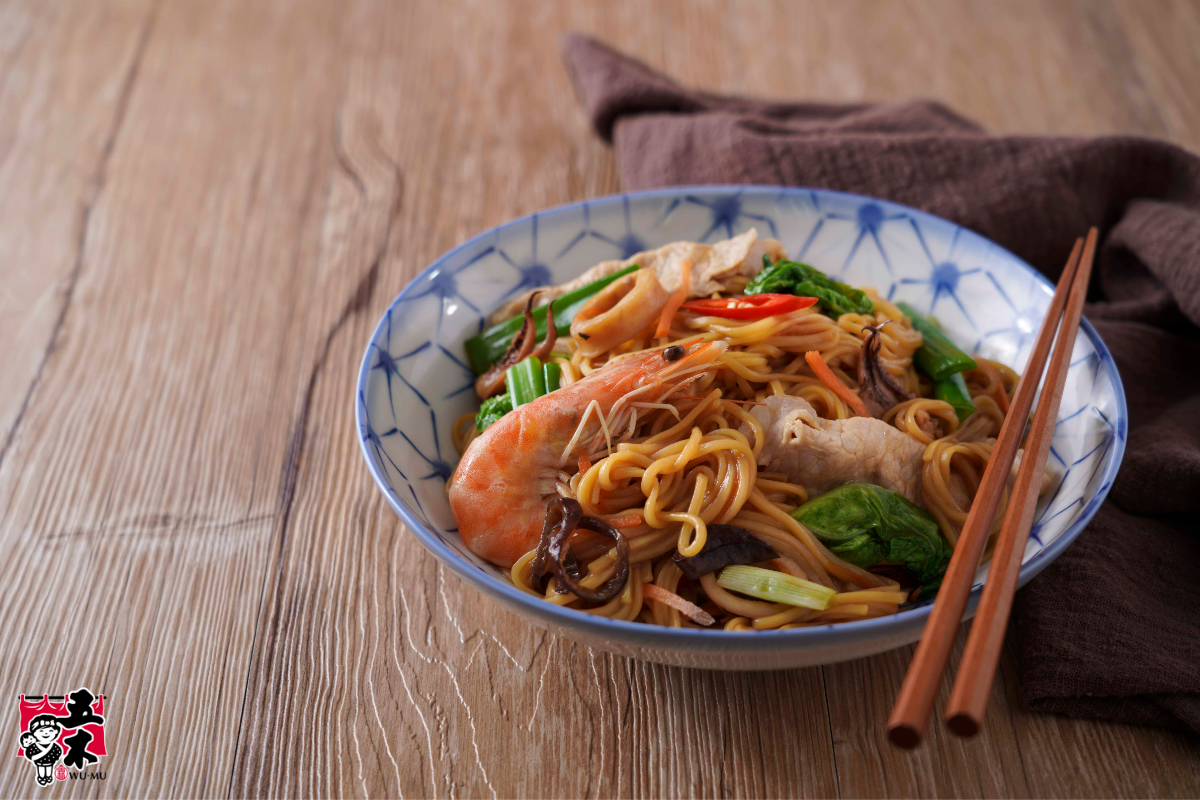
Yellow noodles are built for exactly this. Because they go through a partial cooking process during production, their moisture is more evenly distributed and their structure is more stable. This helps them stay springy and intact under high heat and repeated tossing without breaking apart or going soft.
That's what makes yellow noodles the best noodles for stir fry, not by convention, but by design. When the noodles hold their shape throughout cooking, the cook can focus entirely on heat, timing, and seasoning instead of worrying about breakage or texture loss.
If clear-broth soups call for restraint, rich broth dishes call for presence. Taiwanese beef noodle soup, with its soy-and-spice broth slow-cooked until dense and deeply colored, is a good example of a dish that needs a noodle with enough structure to hold its own.
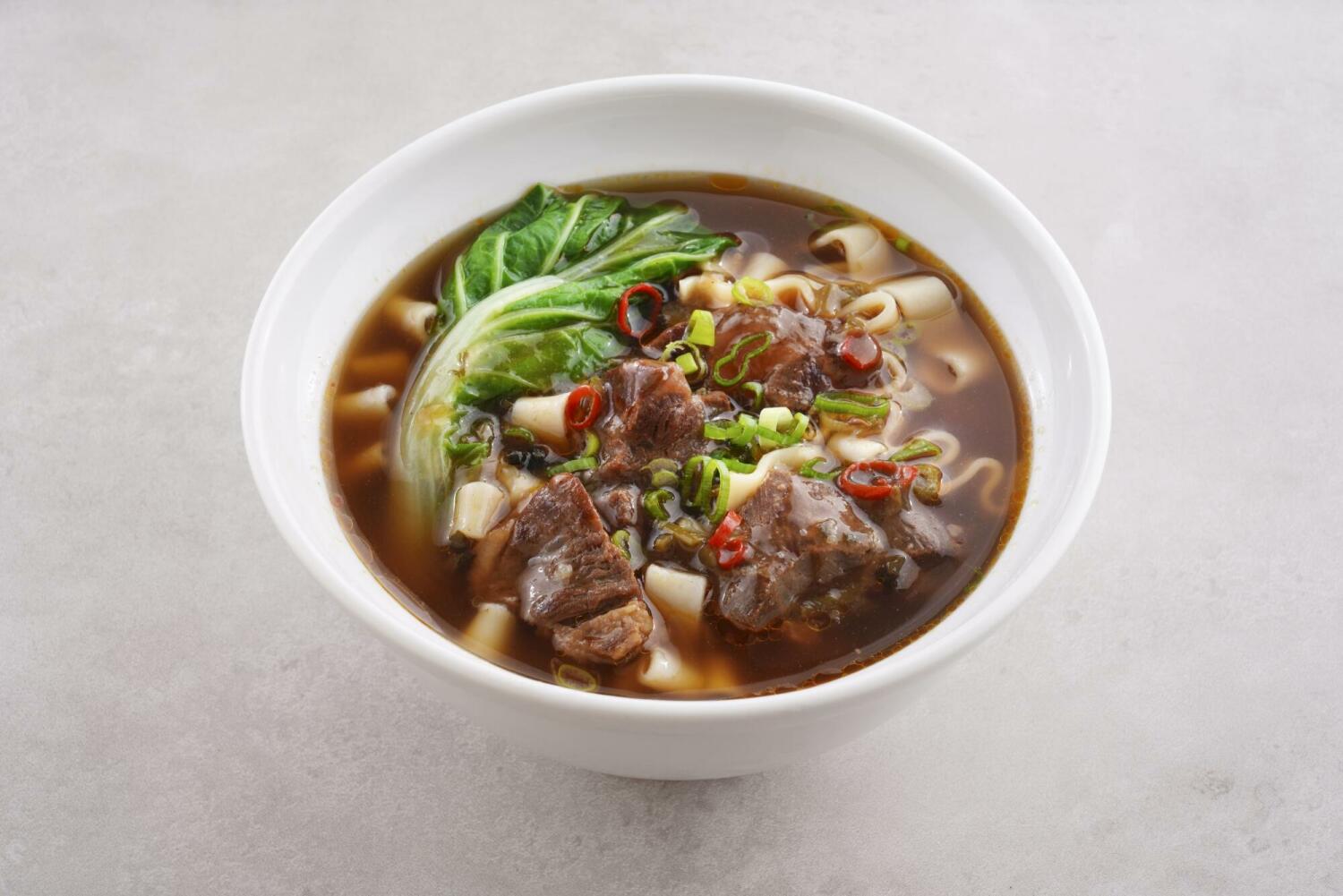
Thick noodles do exactly that. Their thicker structure creates a softer outer layer that absorbs the broth and a firmer bite inside, giving you a satisfying wheaty chew beneath the richness. That longer chew also helps bold, spiced flavors feel rounder and more balanced rather than hitting the palate all at once.
Not every rich broth calls for a thick noodle, however. The real variable is not just how rich the broth tastes, but how thick and coating it feels. In concentrated but fluid broths like tonkotsu, thin ramen noodles carry flavor cleanly without weighing the bowl down. In heavier, more viscous broths, a thicker noodle creates better balance. Start with the broth's texture, and the right noodle becomes clear.
Dry noodles follow a different logic from soup noodles. In soup dishes, the broth surrounds the noodle. In dry noodles, everything depends on how well the sauce clings to the noodle surface and releases with each bite.
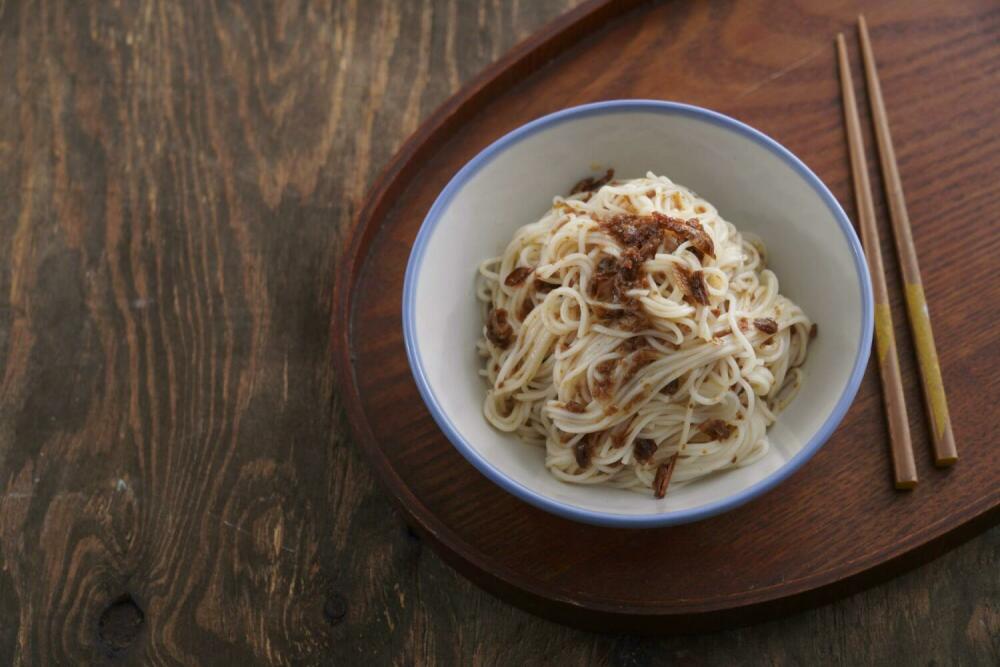
For light, aromatic sauces like scallion oil, soy dressing, or Sichuan peppercorn oil, thin noodles are ideal. They pick up flavor quickly when tossed and deliver it cleanly. For thicker sauces with more body, texture, or oil, wide noodles are often the better choice. Their stronger structure gives the sauce something to grip and lets flavor develop more gradually through the chew.
The key is not whether the noodle can absorb liquid, but whether the noodle and sauce are in balance.
A great bowl of noodles comes from balance — between the noodle, the broth or sauce, and the way it is cooked. When the noodle suits the dish, flavor comes through more fully and the bowl feels more complete.
The next time you cook, start by thinking about what the dish needs. Should the noodle carry delicate flavor or support something richer and heavier? Should it feel light and flowing, or firm and chewy? Once you start thinking this way, choosing noodles becomes more than following a recipe. It becomes understanding why each noodle is made the way it is.
That is the perspective we bring to noodle-making at SING-LIN FOODS. For over 40 years, we have believed that every noodle should be crafted with a purpose, shaped by the flavors it is meant to carry and the way it is meant to be cooked. Every noodle exists for a reason. That reason always begins with flavor.
SING-LIN FOODS production lines have passed FSSC 22000 food safety management system certification by SGS, a trusted international third-party certification body. FSSC 22000 combines ISO 22000 and HACCP to provide enhanced risk control and quality management that ensures the highest safety standards are maintaining throughout the production process.
We also undergo regular food safety audits from large enterprises including Costco and Carrefour to demonstrate our commitment to quality and safety. We are continuing to optimize our production processes as well to become a trusted OEM partner.


© Copyright SING-LIN FOODS CORP. All Rights Reserved.
© Copyright SING-LIN FOODS CORP.
All Rights Reserved.


