


 / Featured Columns
A bowl of Japanese cold noodles with bonito soy sauce offers a light and refreshing escape from the summer heat. Chilled noodles are drizzled with savory soy sauce infused with the umami of bonito, then topped with cucumber, shredded egg, or nori. Although the dish may seem simple, it can instantly revive your appetite on a hot, humid day. What makes it truly memorable is not only the toppings, but also the noodles’ smooth texture and satisfying bite. The simpler the dish, the more clearly the quality of each ingredient comes through—and for a delicious bowl of cold noodles, choosing the right noodles is especially important.
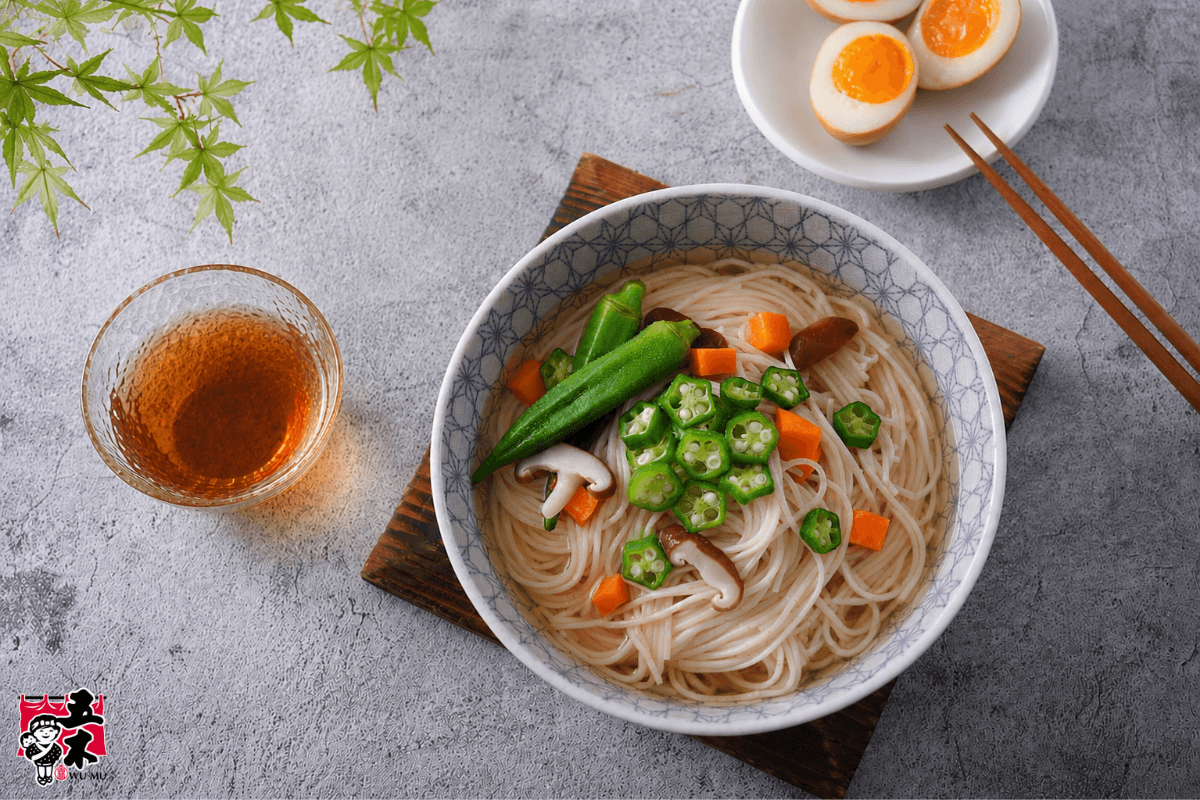
When preparing Japanese cold noodles, the noodles must withstand changes in temperature and moisture as they are rinsed and chilled. If their structure is not stable enough, they can absorb too much water, lose their elasticity, or even break during rinsing or tossing. Noodles suited for cold dishes should remain smooth and resist sticking after chilling, while still offering a satisfying springiness and bite—qualities that SING-LIN FOODS prioritizes in noodle development.
For the best results, cook the noodles in plenty of boiling water, stirring gently and following the cooking time on the package. Drain them and immediately rinse under cold running water to remove excess starch. Then, transfer them to ice water to cool quickly before draining thoroughly. With thinner noodles in particular, avoiding overcooking, rinsing well, chilling quickly, and draining thoroughly helps preserve their smooth yet springy texture.
Bonito soy sauce combines the savory depth of soy sauce with the umami of bonito, creating a light yet layered flavor. Unlike heavier sauces, it does not overpower the noodles. Instead, it allows the umami, savory notes, and natural wheat aroma to unfold with every bite.
When the noodles are thin, straight, and smooth, the sauce coats them evenly. Each bite begins with a cool, refreshing sensation, followed by the rich umami of bonito soy sauce, and finishes with the noodles’ natural wheat aroma and springy texture. To pair well with a sauce this delicate, the noodles must not only be thin but also maintain their ideal texture after chilling.
WU-MU THIN KAN-TO Noodles are developed with these same qualities in mind, taking Japanese hand-stretched somen as a benchmark for texture.
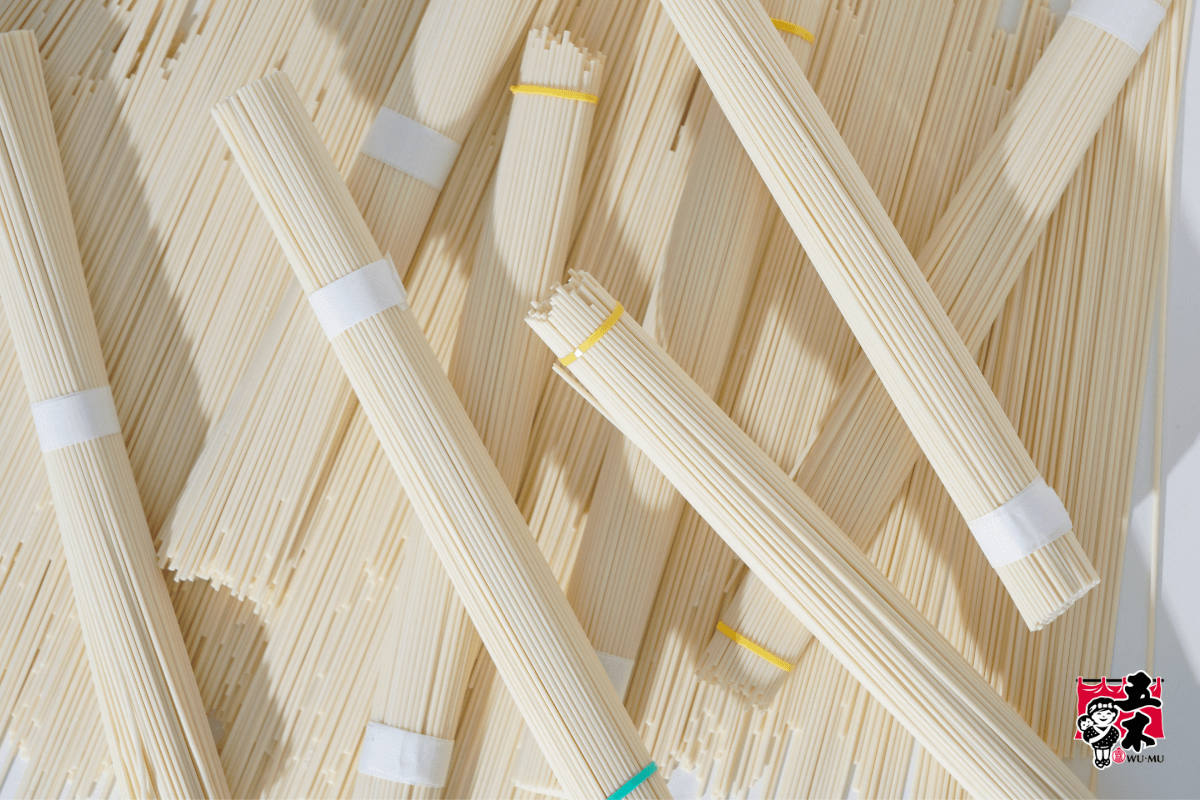
Japanese hand-stretched somen, a type of thin wheat noodle, is known for its delicate, smooth, and pleasantly chewy texture. Its traditional production process emphasizes stretching, resting, and allowing sufficient time for the noodles to mature. While WU-MU THIN KAN-TO Noodles are not made entirely using traditional Japanese hand-stretching techniques, SING-LIN FOODS draws inspiration from the same dedication to time, maturation, and texture, supported by automated equipment for consistent production.
The complete production process for WU-MU dried noodles takes more than ten hours, including approximately six to eight hours of low-temperature drying. The noodles pass through five drying chambers with different temperature settings, allowing moisture to evaporate gradually and evenly. This controlled process helps maintain consistent drying quality while producing straighter noodles that are less prone to breakage.
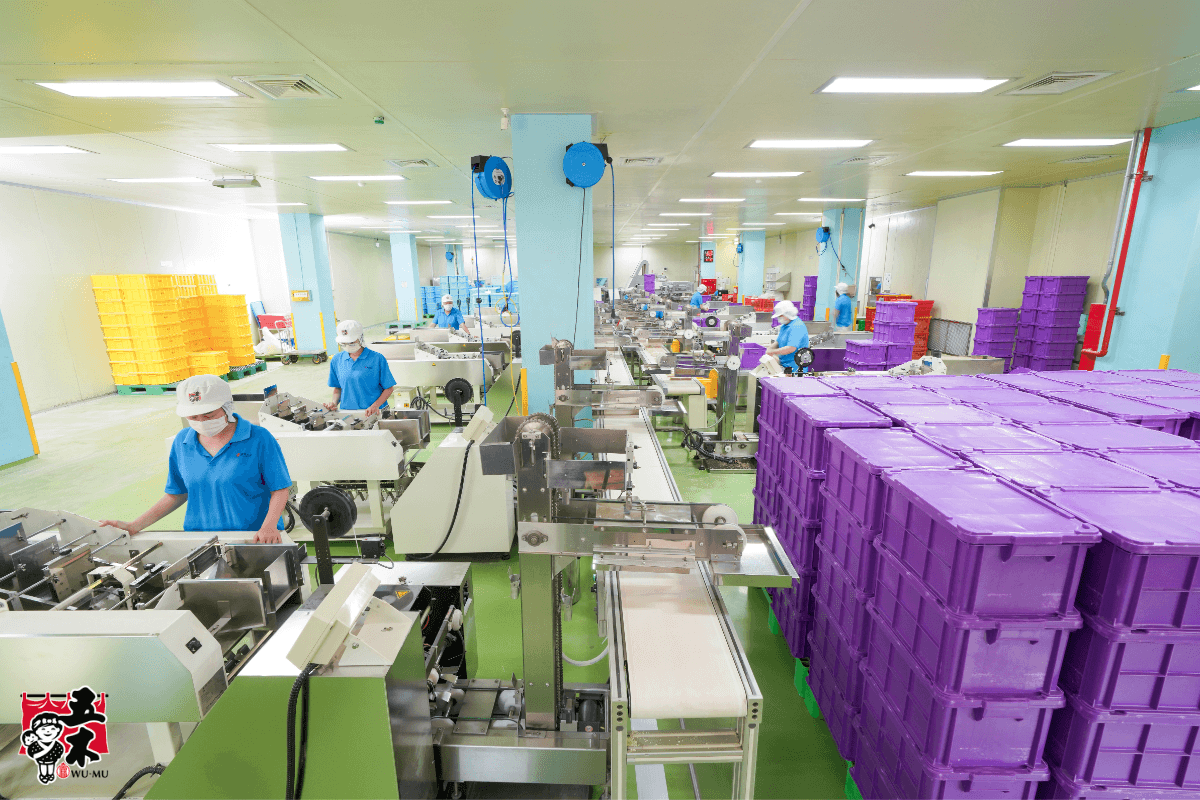
After drying, the noodles are placed in color-coded storage boxes to rest and condition for approximately eight hours. Each box is labeled with the storage date and noodle type, while boxes of the same color are used for noodles from the same batch to support clear identification and management. Once the noodles have stabilized, they are transferred to the packaging line. From low-temperature drying to careful resting and conditioning, WU-MU uses modern equipment to uphold the traditional noodle-making emphasis on time and patience.
With their delicate yet consistent texture, these noodles pair well not only with bonito soy sauce but also with flavors such as sesame, yuzu, and kimchi. They can be transformed into cold noodle salads, sauce-tossed noodles, or new seasonal offerings, meeting a variety of dining occasions and market needs.
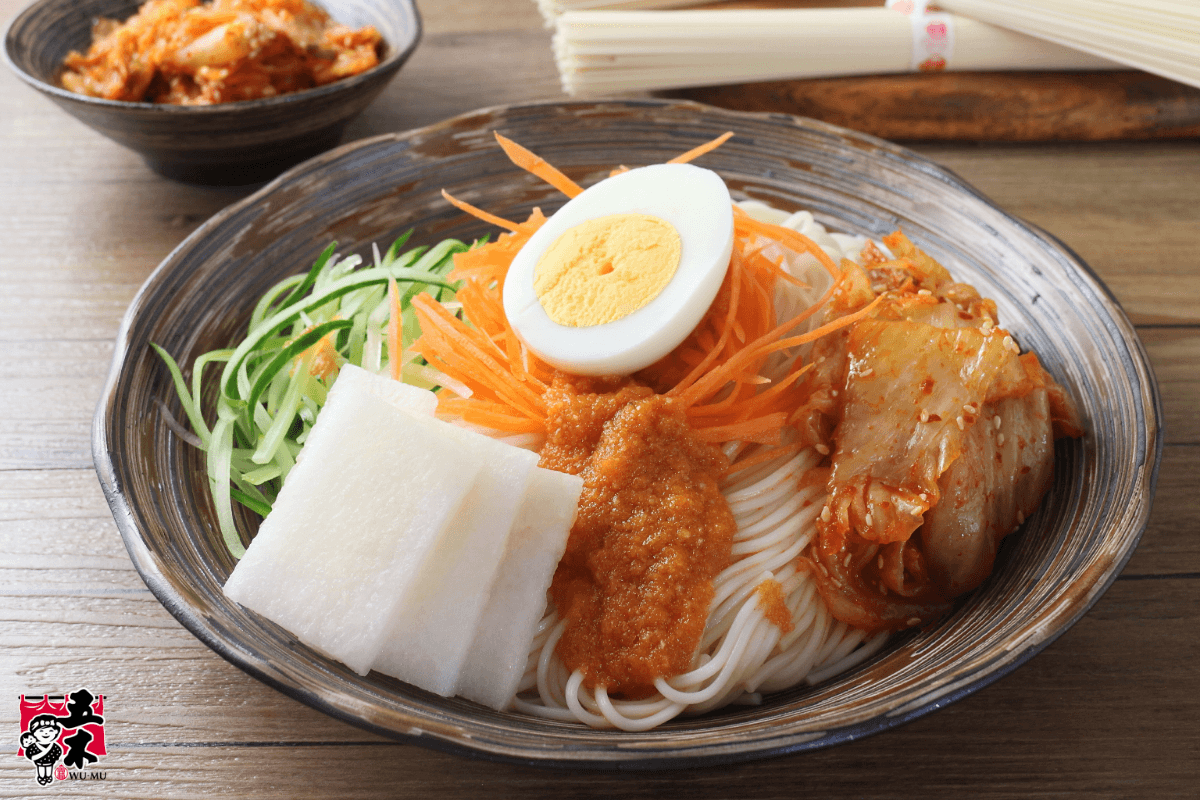
A quality bowl of noodles can be more than an everyday meal—it can also become the starting point for a restaurant menu item or branded food product. From noodle thickness, texture, and cooking performance to product specifications and packaging formats, SING-LIN FOODS provides noodle OEM and private-label manufacturing services based on each brand’s positioning and requirements. With the right development support, a refreshing bowl of Japanese cold noodles can inspire many exciting product possibilities.
Further Reading
How Ramen Noodles Are Made: Inside a 40-Year Noodle Factory
From Craft to Scale: 40 Years of Noodle-Making in Taiwan and a Vision for Global Growth
SING-LIN FOODS production lines have passed FSSC 22000 food safety management system certification by SGS, a trusted international third-party certification body. FSSC 22000 combines ISO 22000 and HACCP to provide enhanced risk control and quality management that ensures the highest safety standards are maintaining throughout the production process.
We also undergo regular food safety audits from large enterprises including Costco and Carrefour to demonstrate our commitment to quality and safety. We are continuing to optimize our production processes as well to become a trusted OEM partner.


© Copyright SING-LIN FOODS CORP. All Rights Reserved.
© Copyright SING-LIN FOODS CORP.
All Rights Reserved.


