


 / Featured Columns
Ever wondered how ramen noodles are made in a modern noodle factory?
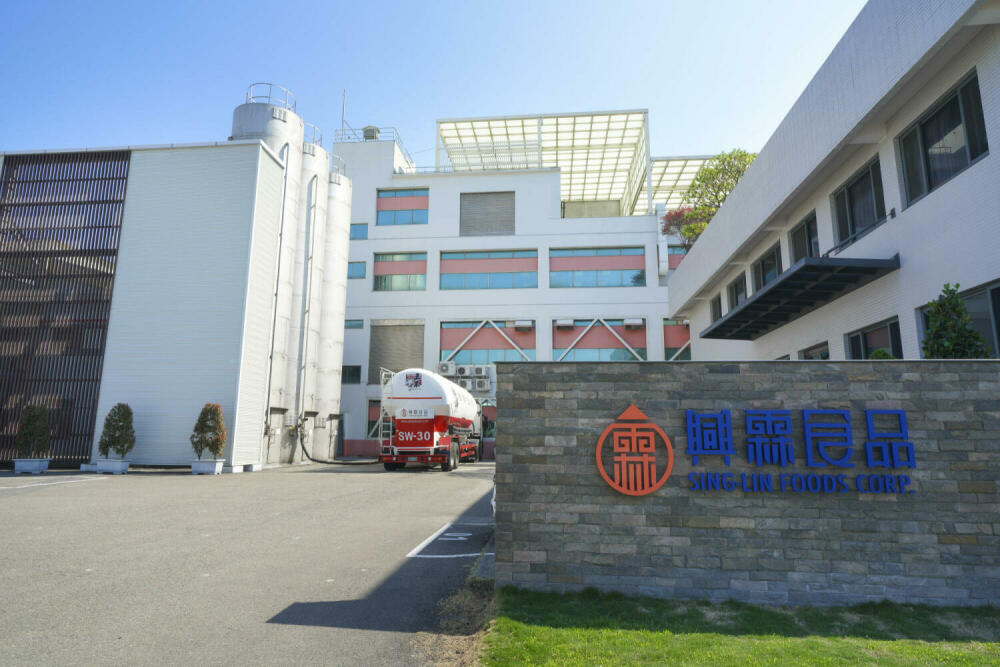
Unlike rice, which only needs cooking to become a meal, producing high quality noodles requires a series of precise, carefully controlled steps. Many people imagine noodle making as simple: mix flour and water, knead the dough, and press it into noodles. In reality, each stage must be precisely controlled to deliver consistent texture and performance.
At SING-LIN FOODS, a bowl of ramen that delivers consistent texture, stays firm even after extended cooking, and performs reliably every time is the result of a fully engineered process. This process combines food science, production management, and decades of manufacturing expertise.
From the moment flour enters the facility through dedicated pipelines into closed storage silos, it moves through batching, mixing, dough layering, rolling, wave forming, steaming, drying, and packaging. Every step serves a single purpose: creating ramen that captures the delicate texture of handmade noodles while meeting the highest standards of food safety.
This commitment has defined SING-LIN FOODS for more than forty years of noodle manufacturing.
At SING-LIN FOODS, noodle quality begins with raw materials.
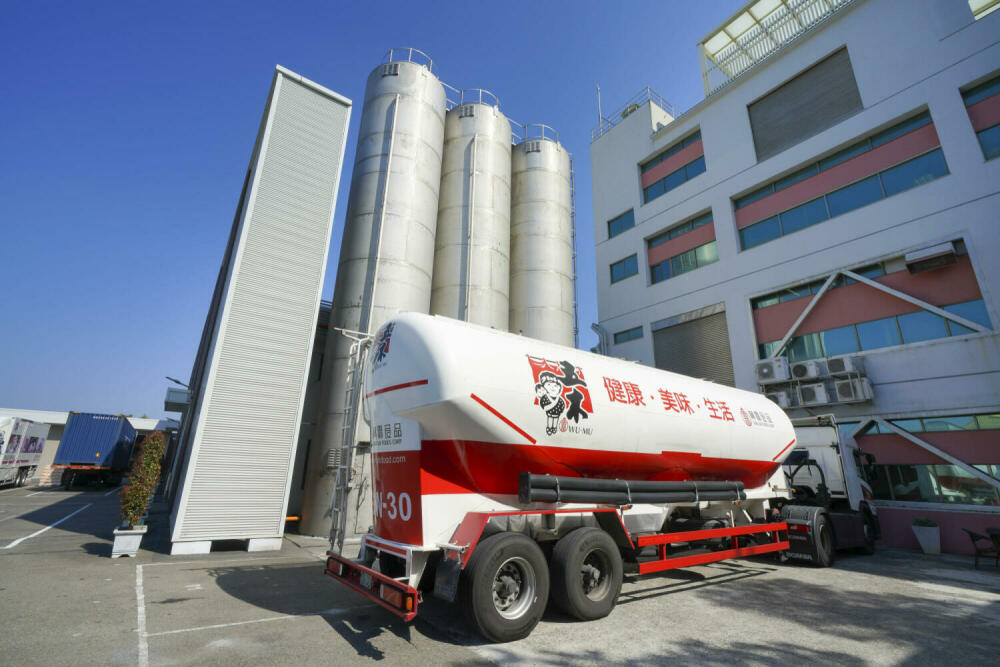
Fresh flour is delivered in bulk by specialized flour trucks directly to the factory. Inside the facility, the flour is stored in large sealed silos and managed through automated storage systems. From the moment the silo system is activated, ingredients move through automated batching and fully enclosed pipelines to the production line, without exposure to open air, without touching the ground, and without any manual bag handling.
The reason is simple: hygiene.
When flour is repeatedly exposed to air, dust, or the surrounding environment during handling, maintaining cleanliness becomes difficult. Traditional bagged flour introduces even greater risk during opening and pouring, where spillage and airborne particles are common. By combining sealed silo storage with enclosed conveying systems, we reduce external variables at the earliest stage of production, keeping flour clean and stable from the start.
Equally important is freshness management.
Standard bagged flour often sits in transportation, distribution, and storage for two to three months before use. With bulk delivery and automated silos, we allow ingredients to move quickly through the system, significantly reducing storage time. Shorter storage helps prevent moisture absorption, quality degradation, and pest risks, ensuring every batch of flour enters production in optimal condition.
Cleanliness and freshness at the raw material stage are where noodle quality truly begins. They are not only the foundation of food safety, but also the prerequisite for every process that follows to operate consistently and reliably. This is the first critical checkpoint in our noodle manufacturing craft.
Once raw materials pass the initial quality check, the process moves into the core of noodle making: dough mixing.
After flour moves through enclosed pipelines into storage hoppers, automated batching and mixing begins.
The traditional approach of relying on intuition, such as a pinch of salt or a handful of flour, makes consistency difficult to achieve at scale. At SING-LIN FOODS, every ingredient ratio is computer controlled. From salt and water to all recipe components, each input is measured to precise, traceable gram settings, eliminating human variation and ensuring that every batch of dough meets the same standard.
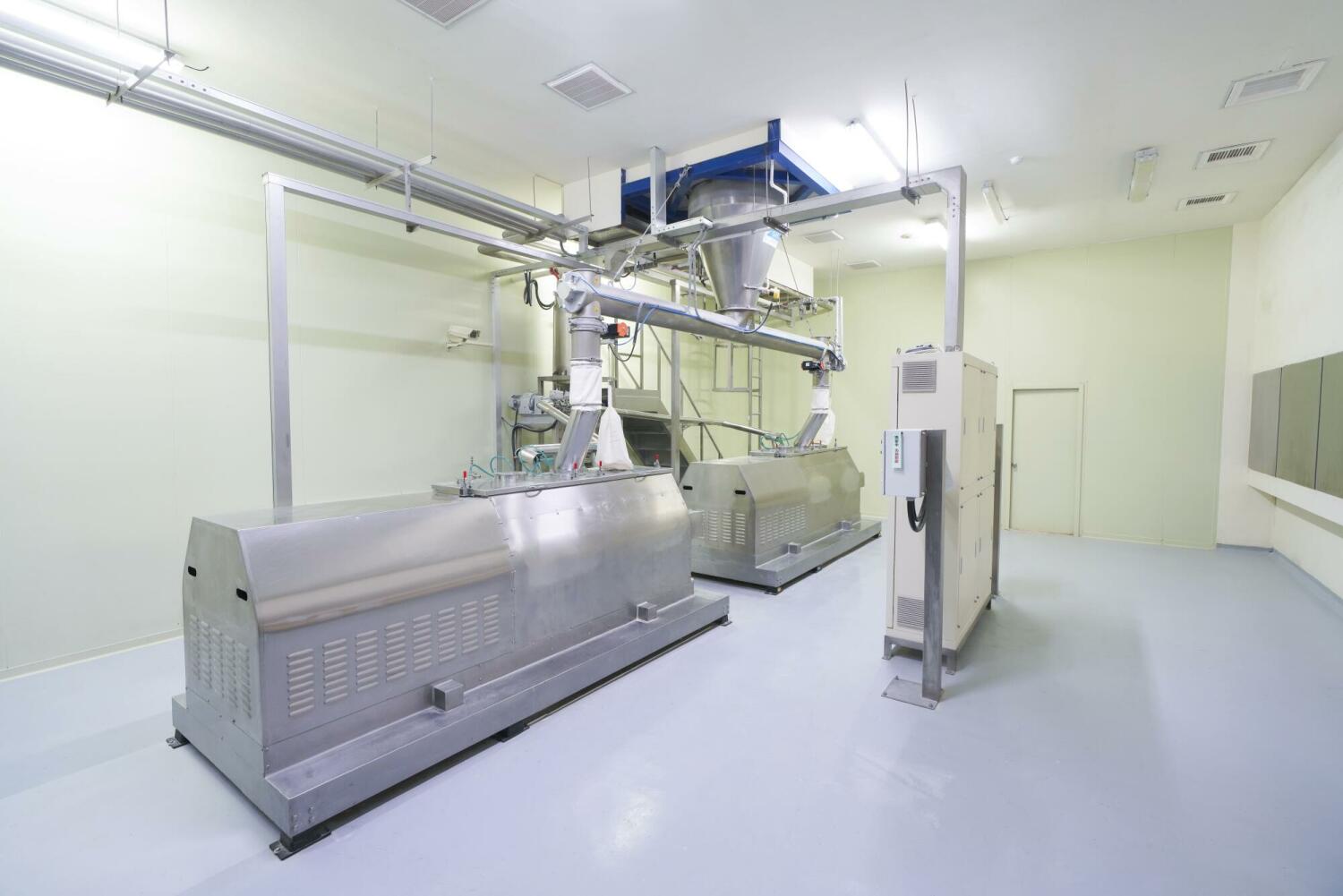
During mixing, we do not use room temperature water. Instead, we use ice salt water.
As flour travels through pipelines and mixers, friction naturally raises its temperature. Using room temperature water can push dough temperatures too high, making it harder for gluten to form properly. Ice salt water helps regulate temperature during mixing, allowing moisture to absorb evenly into the flour while supporting tighter dough structure and more complete gluten development. The result is improved elasticity and a clean, resilient chew.
Good noodle texture is not about toughness or undercooking. It comes from natural springiness created by a well-developed gluten network and even hydration. These subtle differences are established during mixing, which means that even this early stage plays a decisive role in final noodle quality.
Once mixing is complete, the dough still needs time and controlled handling before moving into the next texture critical stage: resting and rolling.
After mixing, the dough does not immediately start rolling. It first undergoes a brief resting period.
Freshly mixed dough remains under tension from mechanical stress. Resting allows the dough to relax while moisture redistributes throughout the structure, stabilizing the gluten network and preparing the dough for rolling.
The dough is then pressed into sheets and undergoes lamination, where two sheets are layered into one. This process creates a more uniform and compact structure.
In the main rolling process, we use a seven-stage rolling system.
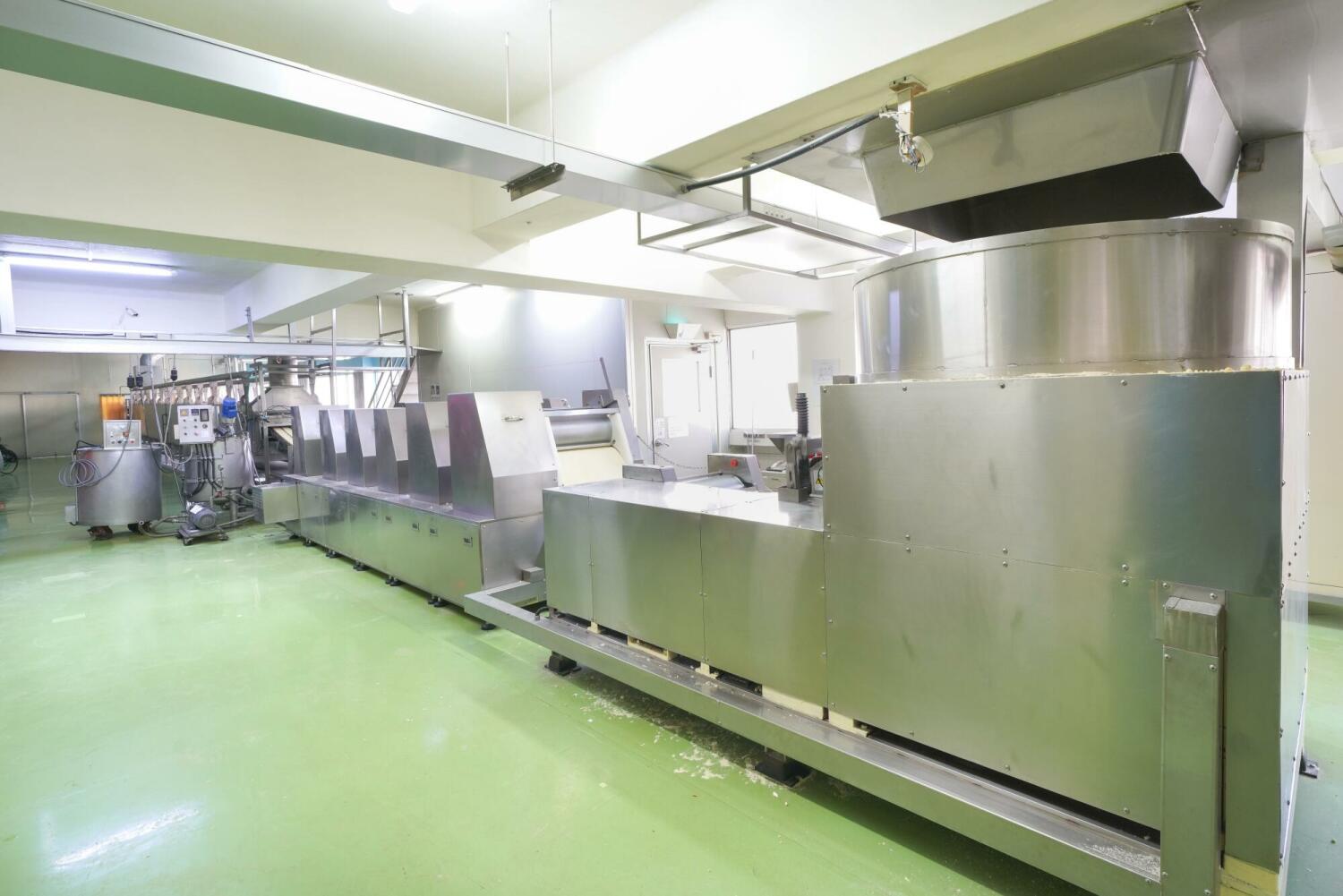
With each stage, the dough sheet becomes progressively thinner. Rolling pressure and timing must be precisely controlled. Excessive force can damage the dough structure, while insufficient pressure fails to fully develop the gluten network. Through seven carefully calibrated rolling stages, the gluten structure is gradually strengthened, producing noodles with firmness, elasticity, and resilience.
The finished noodles naturally form a gentle wave. This shape helps prevent sticking during cooking and allows the noodles to better hold broth, creating a more layered and satisfying eating experience.
These nuanced texture differences are not accidental. They are built step by step through the combined craft of resting and rolling, where small adjustments accumulate into a noticeable difference in every bowl.
Unlike a typical instant noodle factory focused on speed and oil frying, our process emphasizes controlled steaming, gradual drying, and texture stability.
Traditional instant ramen is typically dried through oil frying. This method is fast, but it increases fat content and often leaves a heavy oil layer on the surface of the soup. At SING-LIN FOODS, our non fried ramen follows a different approach. We use steaming and pregelatinization to shape noodle texture and flavor in a more balanced way.
During the steaming stage, high temperature steam partially cooks the starch through pregelatinization. This gives the noodles greater resilience and flexibility while allowing heat to penetrate evenly throughout the noodle body. At the same time, steaming forms a natural protective layer on the noodle surface, helping prevent excess starch from releasing during drying and cooking. The result is smoother texture and more stable performance.
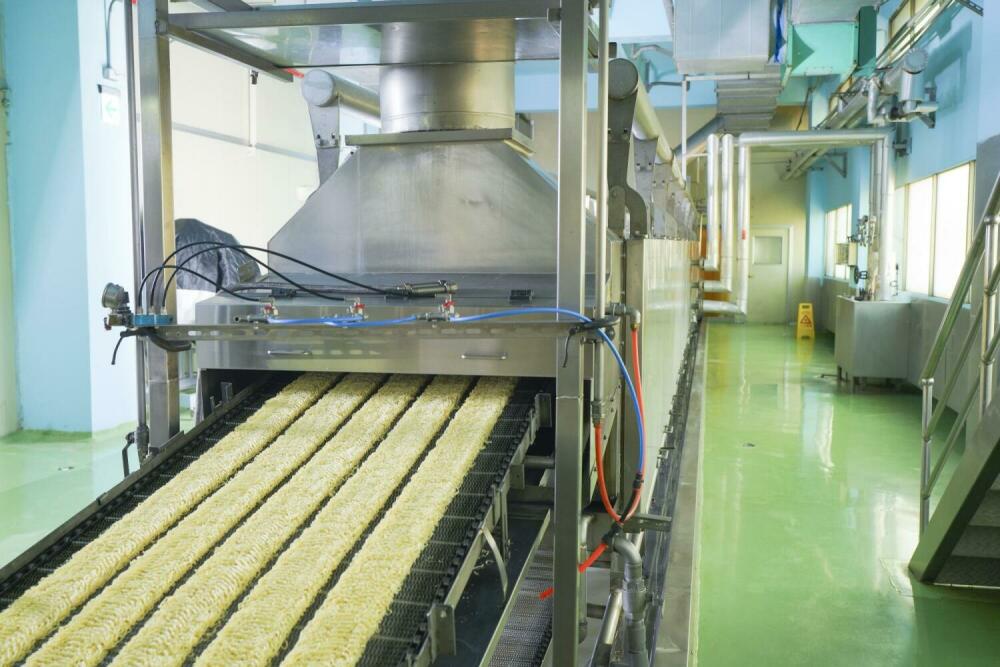
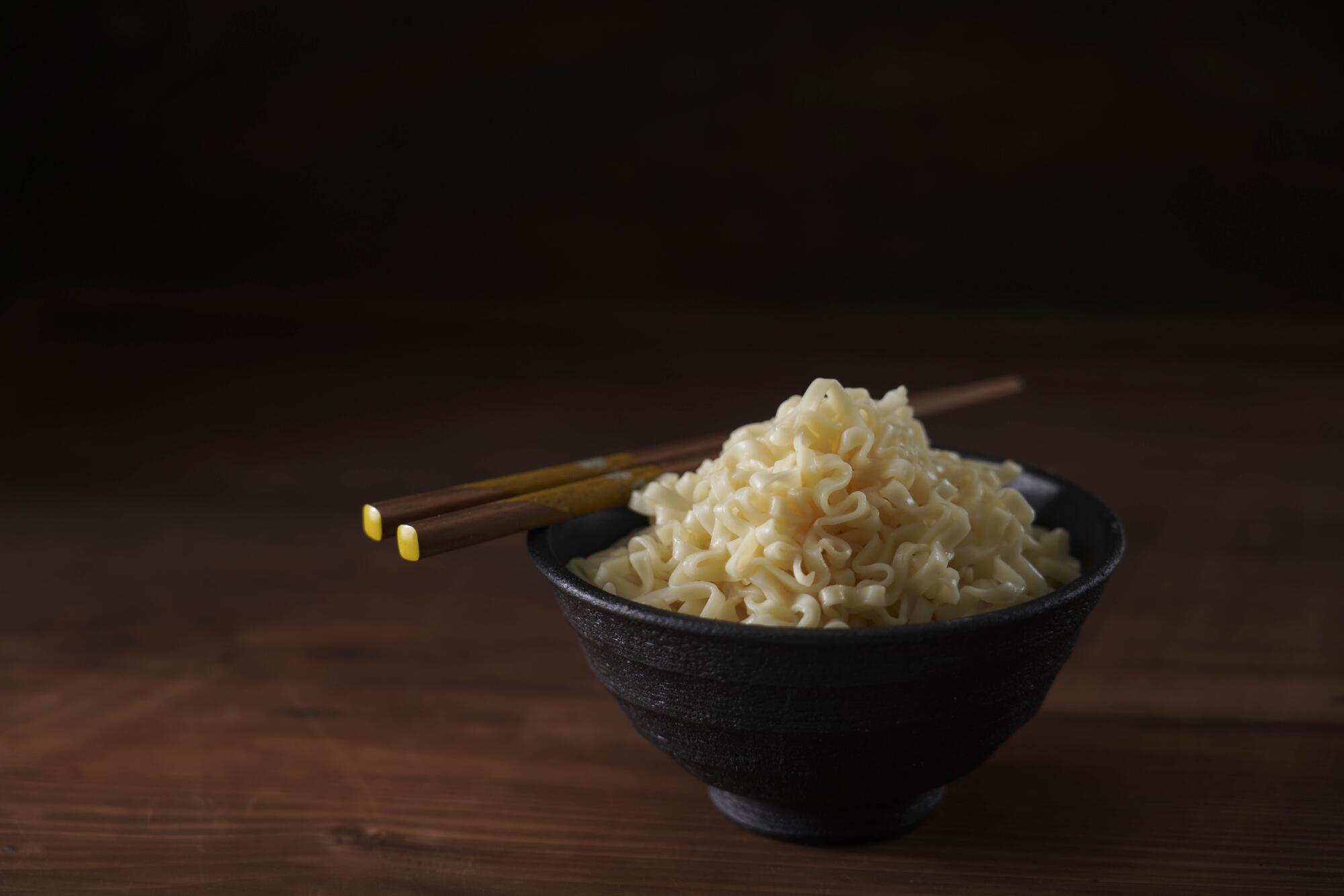
The difference is clear in the bowl. The broth stays clearer, the noodles remain elastic, and there is no greasy aftertaste. The overall eating experience is closer to freshly made ramen, with a clean finish and balanced mouthfeel.
For a deeper look at how steamed non fried noodles compare with fried instant noodles, we also share a dedicated article, “Instant Noodles Made Better: Why Non-Fried Steam-Cooked Ramen Is the Healthier Choice,” which breaks down the differences in ingredients, processing methods, and overall health considerations.
After the earlier production stages are complete, the noodles enter an automated cutting and forming process. The equipment cuts them to a fixed width, then portions and folds them to a standard length, forming uniform square noodle blocks for consistent downstream packaging.
The noodle blocks then move into a long, seven-layer drying system. Drying proceeds in two phases: the first uses lower temperatures to gradually remove moisture, while the second raises the temperature to complete the setting process — bringing moisture content to a stable level of around 12.5% without damaging gluten structure or texture.
This segmented approach prevents the surface from drying too quickly, which can cause uneven drying or structural damage. Precise control of temperature and humidity at each stage allows the noodles to dry evenly and reach a stable condition suitable for ambient storage.
Once drying is complete, the noodle blocks pass through a cooling stage to release residual heat before final inspection. Each unit is checked for position, appearance, and structural integrity through both manual and mechanical review, before entering the final packaging line.
What truly defines a good bowl of ramen?
From flour storage and ice salt water mixing, to multi stage rolling, steaming pregelatinization, drying, and final inspections before packaging, SING-LIN FOODS breaks down what appears to be a simple packaged noodle into a series of processes that can be monitored, reviewed, traced, and continuously improved. Scientific production management ensures that quality never depends on individual instinct, but is delivered consistently in every batch.
Behind these carefully controlled steps is a single goal.
To create noodles that meet an ideal standard. They hold their structure even when cooked longer, deliver elasticity and chew, keep the broth clear and balanced, and leave no greasy aftertaste.
At SING-LIN FOODS, craftsmanship does not mean relying on the intuition of one skilled worker. We build every process on scientific principles and make every standard repeatable. By refining details and maintaining discipline day after day, quality becomes something you can rely on, not something left to chance.
That is the foundation of a noodle factory built to last.
Over the past forty years, SING-LIN FOODS has grown from a factory in Taiwan into a manufacturing partner trusted by brands across markets. By focusing on non fried ramen, straight noodles, and customized texture and formula development, we apply the same standards to every product: stable quality, clean production, and reliable performance at the table.
Through years of large scale production, we have developed quality control systems that meet the demands of international distribution. Products maintain consistent performance across borders, earning trust from global partners and consumers alike.
For brands and distribution partners, working with SING-LIN FOODS is not simply about sourcing noodles. It means choosing an OEM partner who understands manufacturing, understands markets, and operates in line with international food safety standards.
This commitment turns each noodle into more than a product. It becomes something that travels across borders, reaches different tables, and delivers a shared eating experience.
If you are imagining a noodle product for your own brand, or looking to bring your products to a wider market, we are ready to help turn that idea into reality.
The next bowl of ramen enjoyed around the world might begin right here.
SING-LIN FOODS production lines have passed FSSC 22000 food safety management system certification by SGS, a trusted international third-party certification body. FSSC 22000 combines ISO 22000 and HACCP to provide enhanced risk control and quality management that ensures the highest safety standards are maintaining throughout the production process.
We also undergo regular food safety audits from large enterprises including Costco and Carrefour to demonstrate our commitment to quality and safety. We are continuing to optimize our production processes as well to become a trusted OEM partner.


© Copyright SING-LIN FOODS CORP. All Rights Reserved.
© Copyright SING-LIN FOODS CORP.
All Rights Reserved.


