


 / Featured Columns
Want softer noodles but worried about them turning mushy or sticking together? Drain them too early, and the center may still be firm. Leave them in the pot too long, and they can lose their shape.
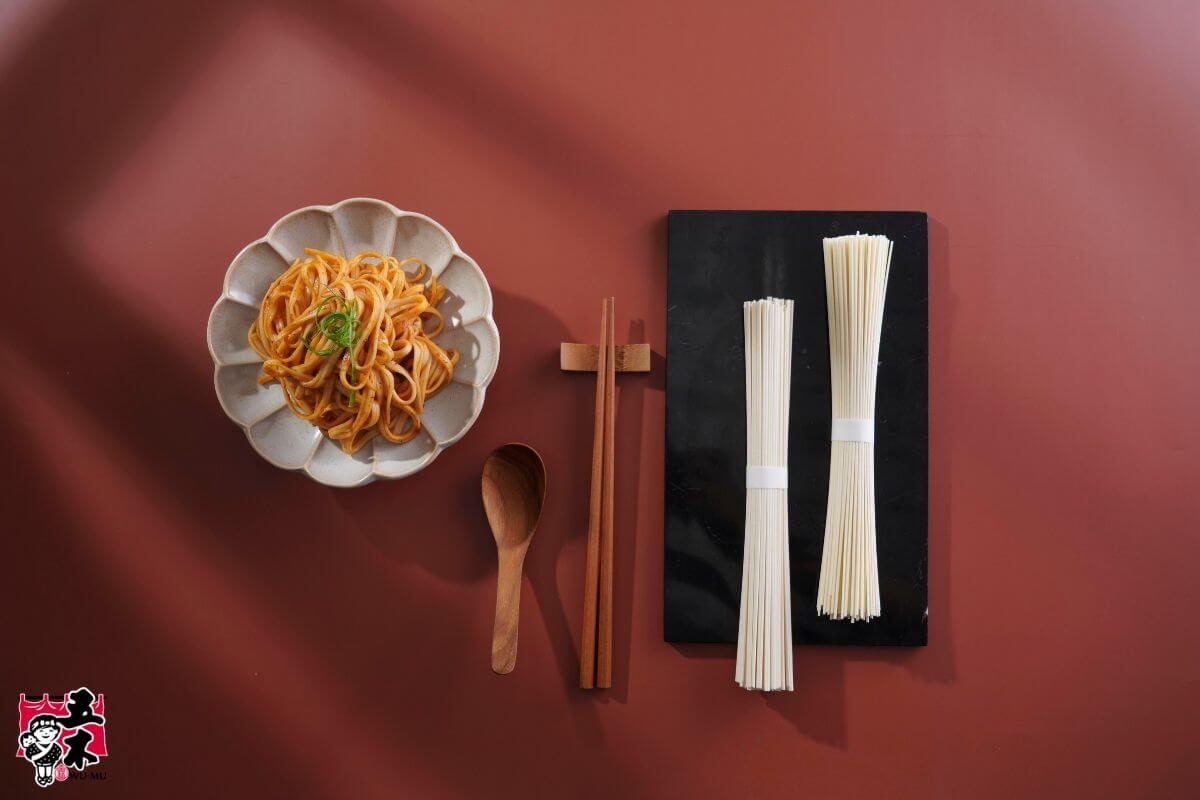
Everyone has their own preference. Some people enjoy a springy bite, while others prefer tender noodles that are easy to bite through. There’s no single “right” texture for a good bowl of noodles.
Making easy to chew noodles that still hold their shape takes more than getting the cooking time right. Your choice of noodles, how you check for doneness, and how you handle them after draining all make a difference. Below, we’ll share practical tips for each step, along with a simple sesame noodle dish you can adjust to your taste.
Different types of noodles can have quite different textures even when cooked for the same amount of time. Their thickness, width, ingredients, and production methods all affect their cooking time and final texture.
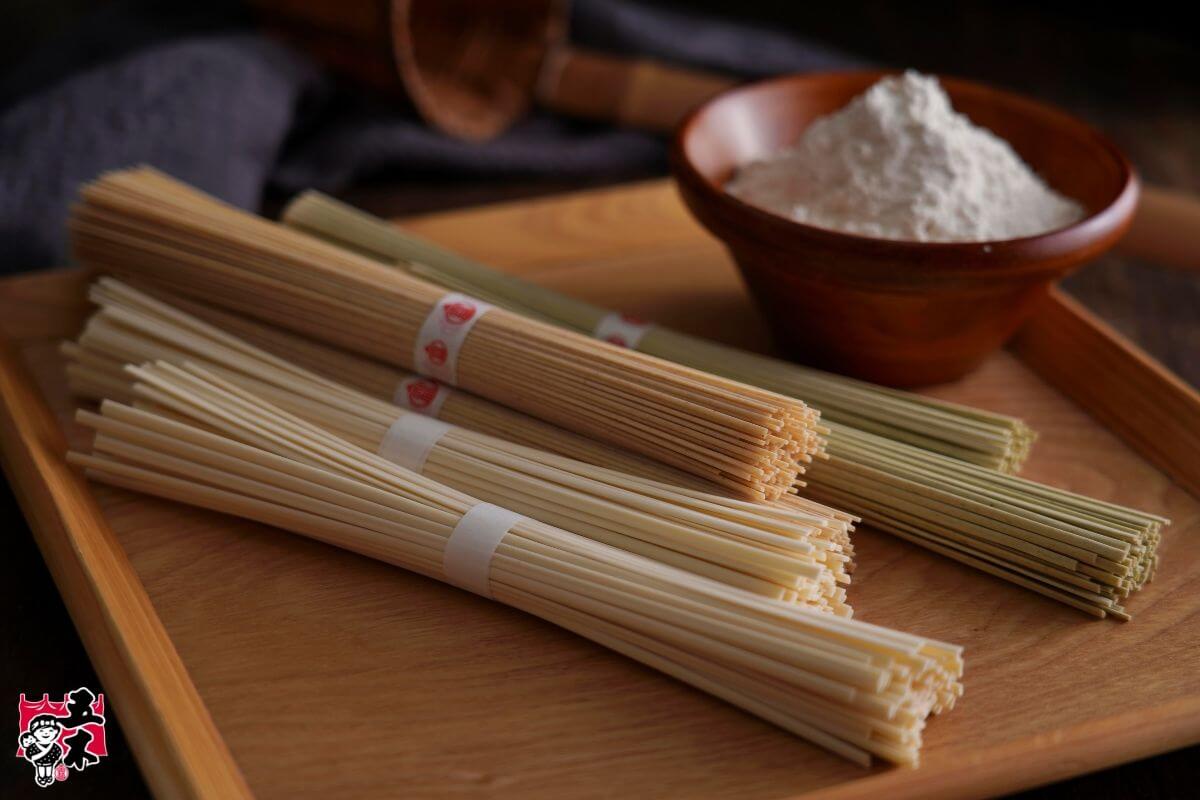
Thickness alone does not determine how easy noodles are to chew. Thin noodles are not necessarily softer, and wider noodles are not necessarily difficult to bite through. When trying a new variety, check the package for texture descriptions, cooking instructions, and suggested uses to help you choose.
At SING-LIN FOODS, attention to texture begins with the ingredients and manufacturing process. Custom flour blends, along with mixing, resting, rolling, and drying, help shape the finished noodles’ texture and elasticity.
Once you’ve chosen your noodles, consider how you’ll serve them. For noodles tossed directly with sauce, cook them to your preferred tenderness before draining. If you’re adding the noodles to a stir-fry or soup, drain them once they’re cooked through but still slightly firmer than you prefer, as they’ll soften further during cooking.
Start with the cooking time printed on the package, then taste and adjust. There is no single cooking time that works for every noodle variety or texture preference.
Bring plenty of water to a boil before adding the noodles. Use a pot with enough room for them to move, and gently separate the strands as they soften to keep them from sticking together.
As you approach the suggested cooking time, remove a small piece and let it cool enough to taste. Check the center as well as the outside. A noodle can feel soft on the surface while still having a noticeably firm core.
Look for these three signs:
If the noodles still feel too firm, cook a little longer and taste again. Once they reach the right texture for your dish, drain them promptly so they don’t keep softening in the hot water.
If you enjoy tender noodles but want something other than soup, try Wu-Mu Kan-To Noodles with sesame sauce and cooked greens. You can adjust the tenderness of the noodles, the consistency of the sauce, and the seasoning to suit your taste.
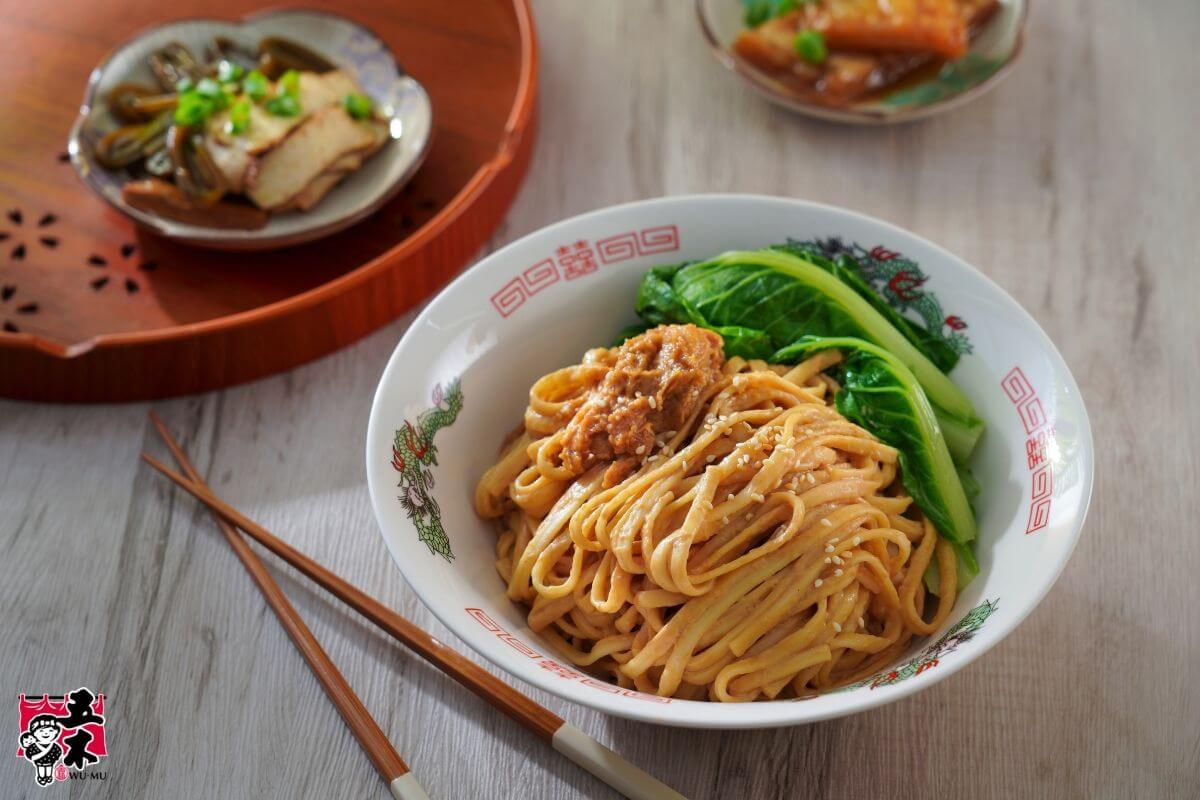
1. Prepare the sauce. Mix sesame paste with a little soy sauce in a serving bowl. Start with a small amount of soy sauce and adjust to taste. Alternatively, use your favorite prepared noodle sauce.
2. Cook the greens. Cut the greens into bite-sized pieces and cook until tender. Thicker stems may need longer than the leaves. Set aside.
3. Cook and taste the noodles. Follow the package directions and start checking for doneness near the suggested cooking time. Let a small piece cool before tasting. If you prefer softer noodles, cook a little longer, checking regularly so they do not become mushy.
4. Reserve water and drain. Before draining, reserve a little cooking water. Drain the noodles well, then add them to the sauce while still hot.
5. Toss gently and serve. If the sauce is too thick to coat the noodles evenly, add the reserved cooking water a small splash at a time and toss gently. Top with the cooked greens and optional sesame seeds, then serve immediately.
There is no single ideal level of firmness. Whether you prefer easy to chew noodles or a springier texture, choose noodles suited to your dish, taste them as they cook, and allow for any additional cooking before serving. These small adjustments help you achieve the texture you enjoy.
For noodle brands, achieving the desired texture starts with product development. SING-LIN FOODS offers OEM noodle manufacturing services and can discuss noodle formulations, thicknesses, and specifications to suit your product requirements and intended cooking methods.
How to Choose Noodles for Different Dishes
How to Keep Noodles Springy and Prevent Clumping
From Craft to Scale: 40 Years of Crafting Noodles in Taiwan, Ready for Global Growth
SING-LIN FOODS production lines have passed FSSC 22000 food safety management system certification by SGS, a trusted international third-party certification body. FSSC 22000 combines ISO 22000 and HACCP to provide enhanced risk control and quality management that ensures the highest safety standards are maintaining throughout the production process.
We also undergo regular food safety audits from large enterprises including Costco and Carrefour to demonstrate our commitment to quality and safety. We are continuing to optimize our production processes as well to become a trusted OEM partner.


© Copyright SING-LIN FOODS CORP. All Rights Reserved.
© Copyright SING-LIN FOODS CORP.
All Rights Reserved.


