


 / Featured Columns
When people think of ramen, they often picture rich broth, carefully chosen toppings, or a favorite shop with a line out the door. For many, ramen is comfort food—a bowl that feels familiar, satisfying, and deeply personal.
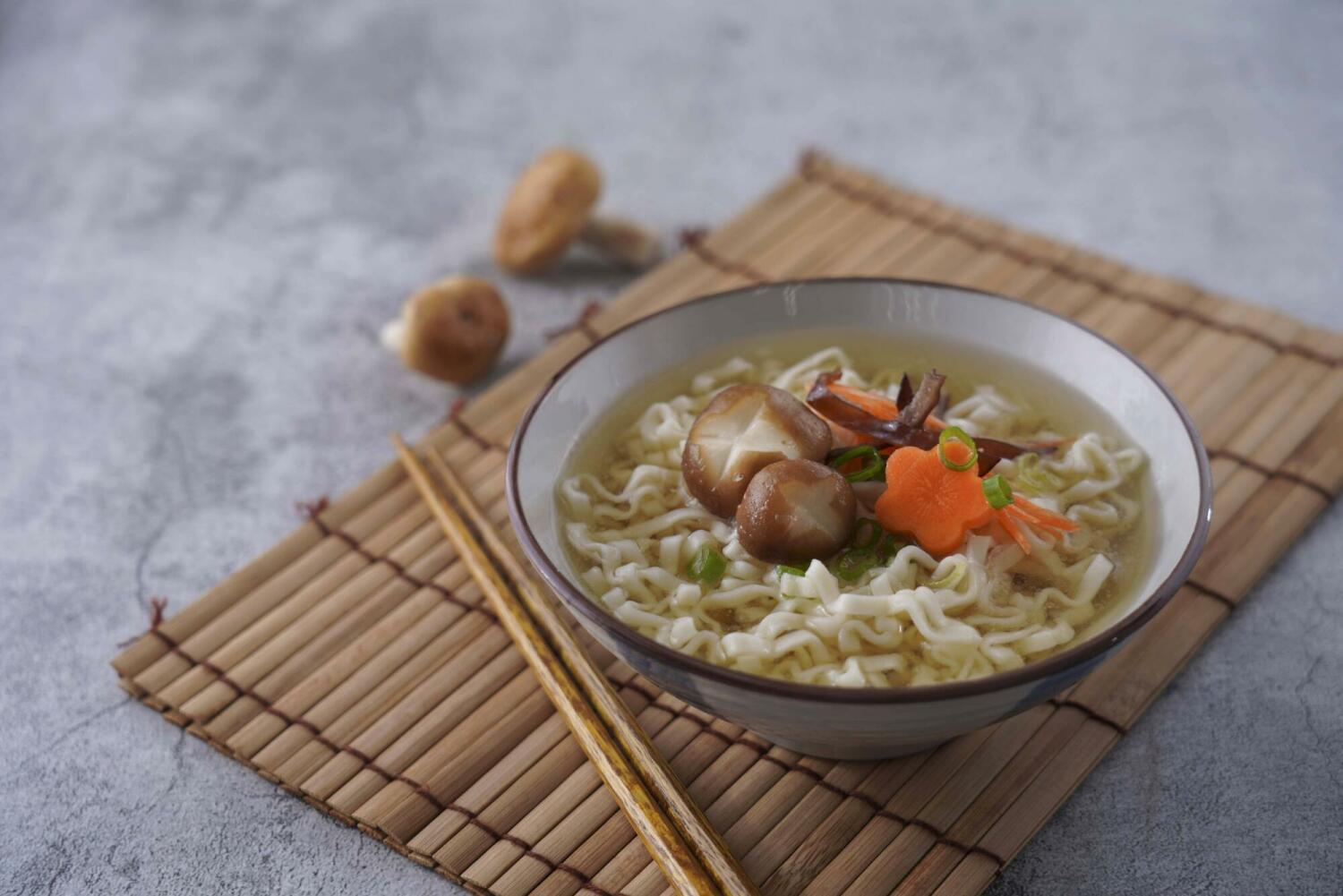
What most people don’t see is where ramen truly begins. The defining qualities of a great bowl—the bite of the noodles, their elasticity, and how they carry flavor—are decided long before the noodles ever meet the broth. These qualities are not accidental. They are the result of deliberate choices made during noodle production.
From a noodle manufacturing perspective, ramen is not just a dish. It is a system built on ingredient selection, process control, and noodle structure design. To understand what ramen really is, you have to start with how the noodles are made.
The ramen people are familiar with today was not originally a symbol of Japanese culture. Its prototype can be traced back to Chinese wheat noodles introduced to Japan in the late 19th century. These noodles, made with wheat flour and alkaline water, first appeared mainly in port cities and areas with concentrated Chinese communities.
As ramen gradually spread throughout the Japanese market, expectations around noodle quality continued to rise. Japanese consumers placed increasing importance on texture consistency, compatibility between noodles and broth, and overall production quality. As a result, noodle making began to move beyond manual craftsmanship and toward more systemized and scalable production.
Different regions, responding to variations in broth style, climate, and eating habits, gradually developed corresponding noodle structures and production settings. Within this context, Japanese ramen evolved into a style system centered on the pairing of broth and noodles. Familiar varieties such as shoyu ramen, tonkotsu ramen, and miso ramen emerged as representative outcomes of this mature noodle-making and culinary logic.
At its core, ramen appears simple. But its quality depends on precise control at every stage of production.
Ramen noodles are primarily made from wheat flour and water. Even small changes in ingredient choice and handling, however, can have a major impact on structure, texture, and cooking performance.
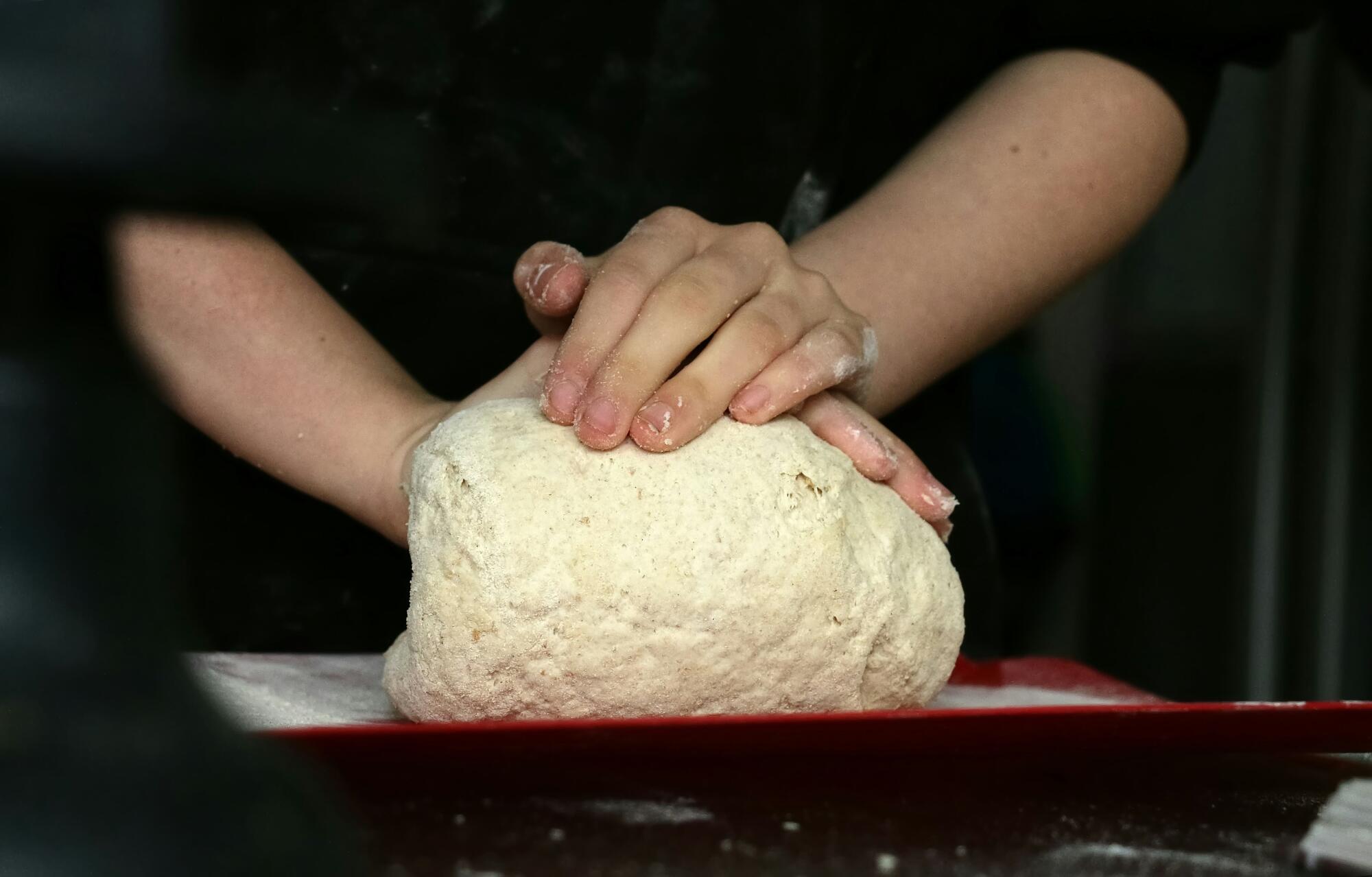
Protein content in the flour affects chewiness and elasticity. Hydration levels influence extensibility, maturation time, and mouthfeel. Salt strengthens the gluten network, improving noodle stability in hot broth. In many ramen systems, alkaline salts are used to adjust dough chemistry, contributing to the noodle’s color, aroma, and ability to maintain firmness during cooking.
In commercial noodle production, ingredient ratios are only the starting point. The real differentiator is process control. Mixing, resting, rolling, and cutting must be precisely managed and consistently reproduced. This is why SING-LIN FOODS focuses on wheat flour, water, and salt as core ingredients, building noodle performance through manufacturing design rather than relying on preservatives or artificial coloring.
Related reading: How Ramen Noodles Are Made: Inside a 40 Year Noodle Factory Process
In Western food culture, ramen is often compared to pasta and is sometimes assumed to be a type of pasta. From a noodle-making standpoint, however, they belong to entirely different systems.
Italian pasta is typically made from durum wheat semolina using a low-hydration formula without alkaline adjustment. It is formed through extrusion and dried to create a structure suited for long-term storage and cooking.
Ramen noodles, by contrast, are engineered for elasticity, springiness, and performance in hot soup. Alkaline adjustment is a defining characteristic, and the production process is designed so the noodles interact immediately with broth while maintaining their structure.
For this reason, ramen is not considered pasta. Although both use wheat flour, they are built for different cooking environments and eating experiences.
The differences between Japanese ramen and Taiwanese ramen reflect how different markets define noodle performance.
Japanese ramen typically emphasizes precise pairing between noodles and a specific broth. Variations in thickness, hydration, and wave pattern are often designed for one soup style, creating a highly intentional eating experience.
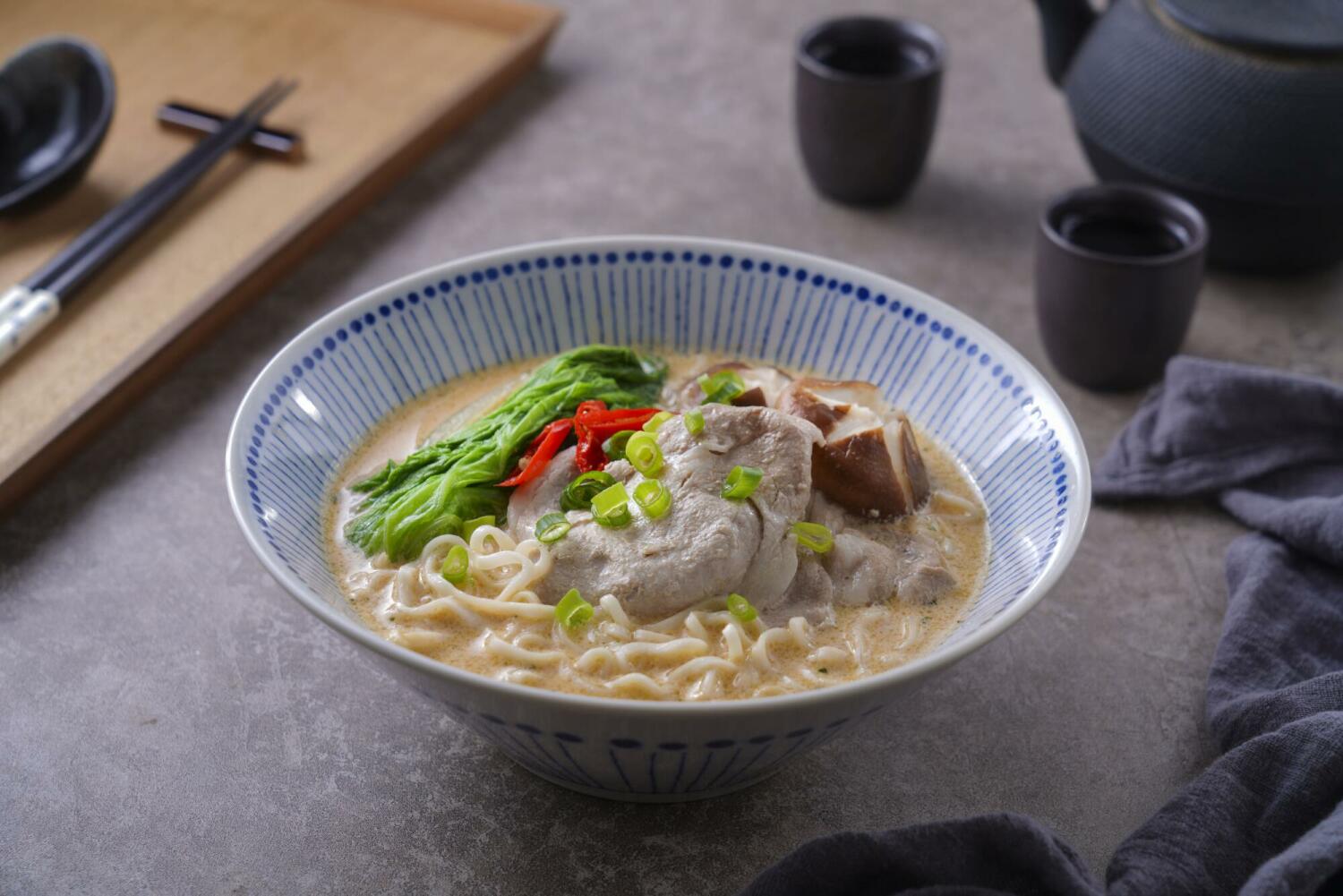
Taiwanese ramen builds on Japanese foundations while placing greater emphasis on versatility and supply stability. Noodles are often designed with increased elasticity and cooking tolerance to perform consistently across a wider range of preparation conditions and service speeds.
From an industry perspective, these differences are not about authenticity or hierarchy. They are practical responses to different market needs and dining contexts.
Ramen’s diversity comes from the high adjustability of noodle parameters.
Small changes in thickness affect bite and broth adhesion. Hydration levels influence elasticity, maturation time, and cooking durability. Wavy noodle structures are not purely aesthetic—they increase soup retention and create variation in texture with each bite.
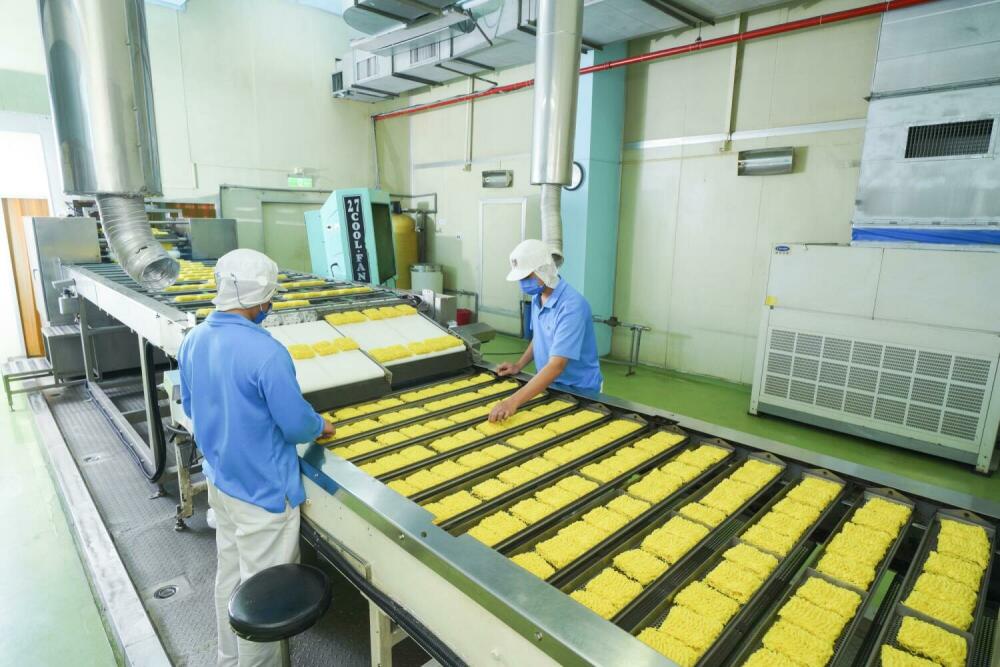
In modern factories, reproducing the layered chew and resilience of traditional noodles on automated lines requires deep experience and precise control. Drawing on more than 40 years of noodle manufacturing expertise, SING-LIN FOODS balances hydration, staged resting, multi-pass rolling, and controlled drying to create stable gluten networks without artificial additives.
This process design determines how noodles perform in soup and whether they can maintain consistent quality across different markets and foodservice environments. To meet these needs, SING-LIN FOODS develops customizable ramen noodles for restaurant brands and OEM partners, tailoring structure to broth style and service requirements while ensuring reliability at scale.
Ramen is not simply a bowl of noodle soup. It is a craft that combines ingredient science, manufacturing control, and structural design.
A great bowl of ramen is never the result of broth or toppings alone. It is the outcome of precise collaboration between noodles and soup. The noodles determine how flavor is carried, how texture is experienced, and whether the bowl remains enjoyable from the first bite to the last.
Understanding ramen, at its core, means understanding the noodles—and the craftsmanship required to make them perform exactly as intended. That is the true foundation of ramen, both as a culinary tradition and as a manufacturing discipline.
SING-LIN FOODS production lines have passed FSSC 22000 food safety management system certification by SGS, a trusted international third-party certification body. FSSC 22000 combines ISO 22000 and HACCP to provide enhanced risk control and quality management that ensures the highest safety standards are maintaining throughout the production process.
We also undergo regular food safety audits from large enterprises including Costco and Carrefour to demonstrate our commitment to quality and safety. We are continuing to optimize our production processes as well to become a trusted OEM partner.


© Copyright SING-LIN FOODS CORP. All Rights Reserved.
© Copyright SING-LIN FOODS CORP.
All Rights Reserved.


