


 / Featured Columns
Instant noodles remain one of the world’s favorite comfort foods—quick, satisfying, and incredibly convenient. Yet even with “no preservatives added” labels, many people still wonder why traditional instant noodles are often considered unhealthy.
At SING-LIN FOODS, a leading ramen noodle manufacturer specializing in noodle OEM manufacturing, we know the real difference lies in how the noodles are made.
Traditional fried instant noodles absorb large amounts of oil during high-temperature frying and are more prone to fat oxidation, resulting in a heavier taste and greater dietary burden.
By contrast, a new generation of steam-cooked ramen demonstrates that convenience and health can coexist. Rather than relying on frying for preservation, these noodles are steam-set and gently dried, delivering a clean, springy texture while retaining their nutrition and flavor within the noodle itself.
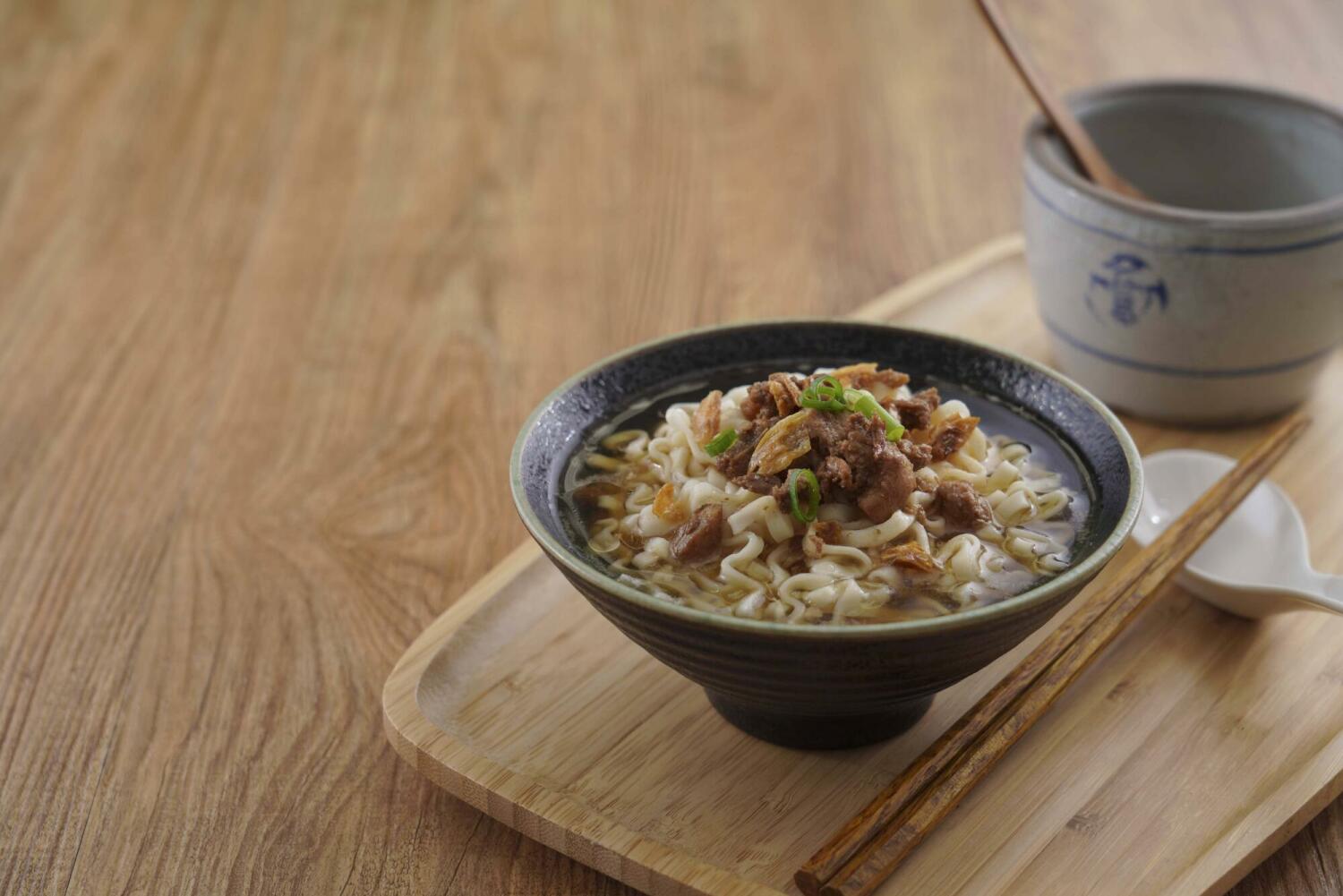
Most instant noodles use high-temperature deep-frying to accelerate dehydration, causing the noodles to absorb large amounts of oil. While this extends shelf life and shortens cooking time, the high heat also promotes fat oxidation, resulting in a greasy, heavy texture. Over time, frequent consumption may place a greater burden on the body.
Non-fried steam-cooked ramen follows a very different process. The noodles are fully pre-cooked with high-temperature steam, cooled with circulating air, portioned, and then dried in controlled warm-air chambers. This creates a stable noodle structure without adding oil.
The broth stays clear, the texture remains light and smooth, and each bite feels balanced and clean.
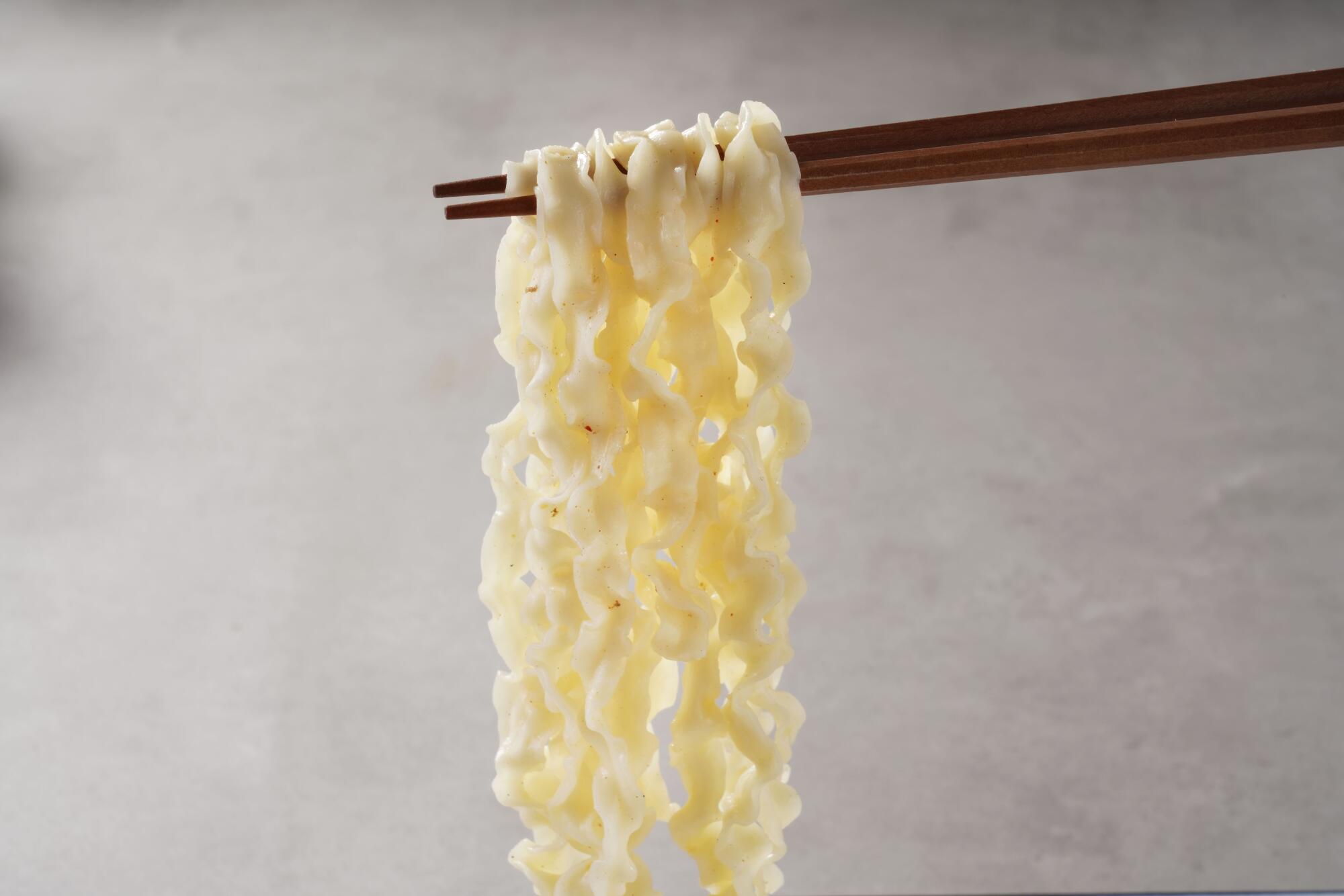
From Asian households to North American restaurants and European supermarkets, consumers are rethinking what makes a convenient meal truly good. Today, convenience is not just about speed—it’s also about quality, transparency, and how food makes people feel.
Non-fried, steam-cooked ramen has become the natural choice for families seeking cleaner meals, students wanting quick fuel, health-focused shoppers watching their oil intake, and parents choosing better options for their children.
At SING-LIN FOODS, we’ve spent over forty years helping people enjoy a bowl of noodles that tastes comforting without the heaviness of traditional instant ramen. By combining traditional noodle-making craft with modern precision technology, our steam-cooked ramen keeps the beloved convenience of instant noodles—but with far less oil and a noticeably cleaner nutritional profile.
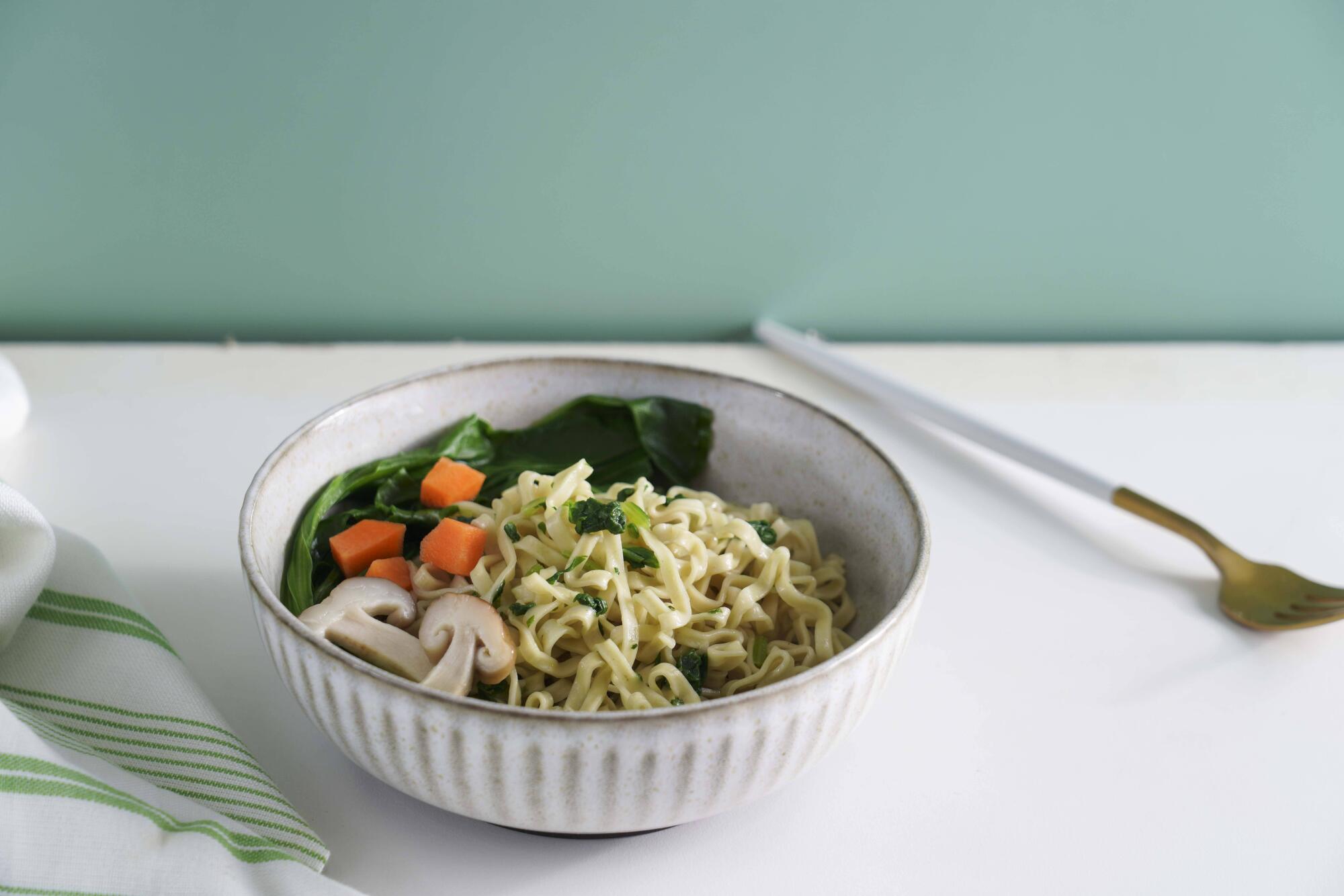
Healthy instant noodles reflect a broader shift in how people view ready-to-eat meals. Steam-cooked ramen shows that convenience no longer requires compromise. Without frying, the noodles retain the natural flavor of wheat, cook quickly, and stay smooth and elastic without clouding the broth.
With controlled steaming and warm-air drying to preserve aroma, color, and structure, steam-cooked ramen delivers a texture close to fresh noodles—a quality valued by restaurants, retailers, and home cooks looking for cleaner, modern options.
At SING-LIN FOODS, crafting a healthier instant noodle begins long before the water boils. Every step, from flour selection to final drying, is guided by precision, consistency, and a respect for traditional noodle-making.
Each batch begins with heart flour, the purest central portion of the wheat kernel. Co-developed with Taiwan’s Industrial Development Bureau and Grain Research Institute, this flour contains fewer natural impurities, helping the broth stay clear without additives.
To preserve freshness, the flour is delivered daily in bulk and transferred through a sealed pneumatic system that prevents moisture and oxidation.
The dough is blended with ice water and rested in two stages so it can hydrate evenly. It then passes through nine consecutive rolling steps, strengthening the gluten network for elasticity and durability.
With one of the highest hydration levels in the industry (32%), the noodles remain bouncy and smooth — even when cooked directly in broth.
After rolling, the noodles enter a steam chamber, where high-temperature steam allows the starch to absorb water, swell, and undergo gelatinization, forming a stable structure. This steam-cooking step naturally shortens preparation time, allowing the ramen to cook in just three minutes while preserving its smooth, elastic texture.
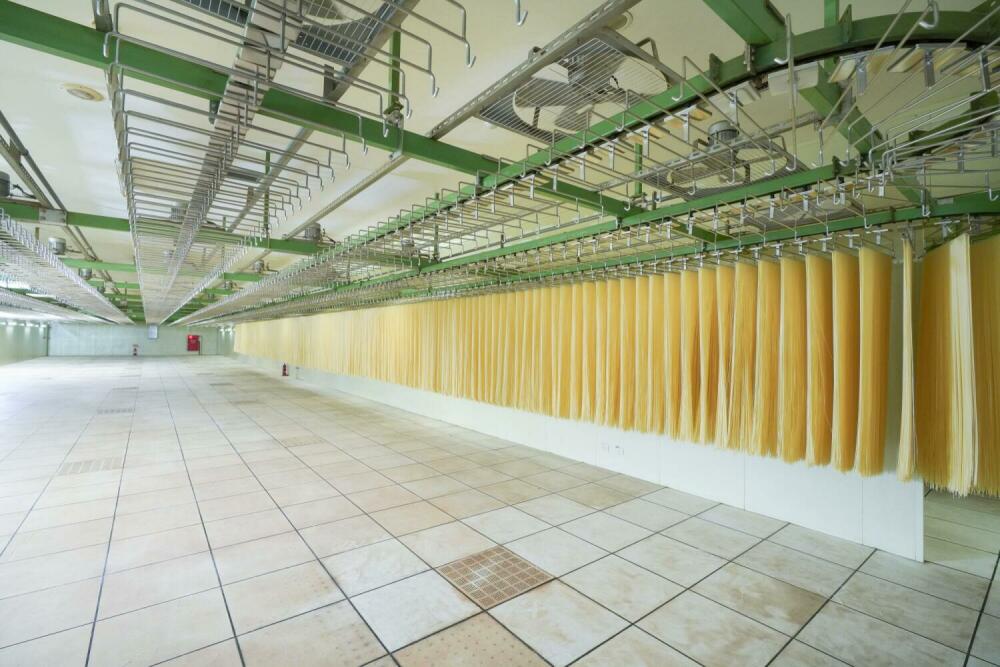
Once steamed, the noodles are cooled, portioned, and dried through a multi-stage warm-air system where temperature and humidity are carefully adjusted. This controlled method stabilizes the noodle structure without frying, ensuring even drying, clean flavor, and a broth that stays bright and clear.
Each batch is tested for moisture, elasticity, and color to meet international standards. Every step of production, from raw flour to packaging, follows the FSSC 22000 food safety system and includes full traceability.
Because the noodles are steam-cooked rather than fried and do not rely on chemical preservatives, they remain shelf-stable at room temperature without additives while maintaining optimal flavor and texture. This commitment to craftsmanship and precise process control has made SING-LIN FOODS a leading OEM and private-label ramen manufacturer in Taiwan, trusted by global food brands and foodservice channels.
Unlike conventional fried instant noodles, Sing-Lin’s steam-cooked ramen sheets use high-temperature steaming as the core production step. In high-pressure steam, the noodles are fully matured, allowing the starch to absorb water, swell, and form a stable structure. This pre-gelatinization process naturally shortens cooking time while preserving a pleasantly chewy and smooth texture.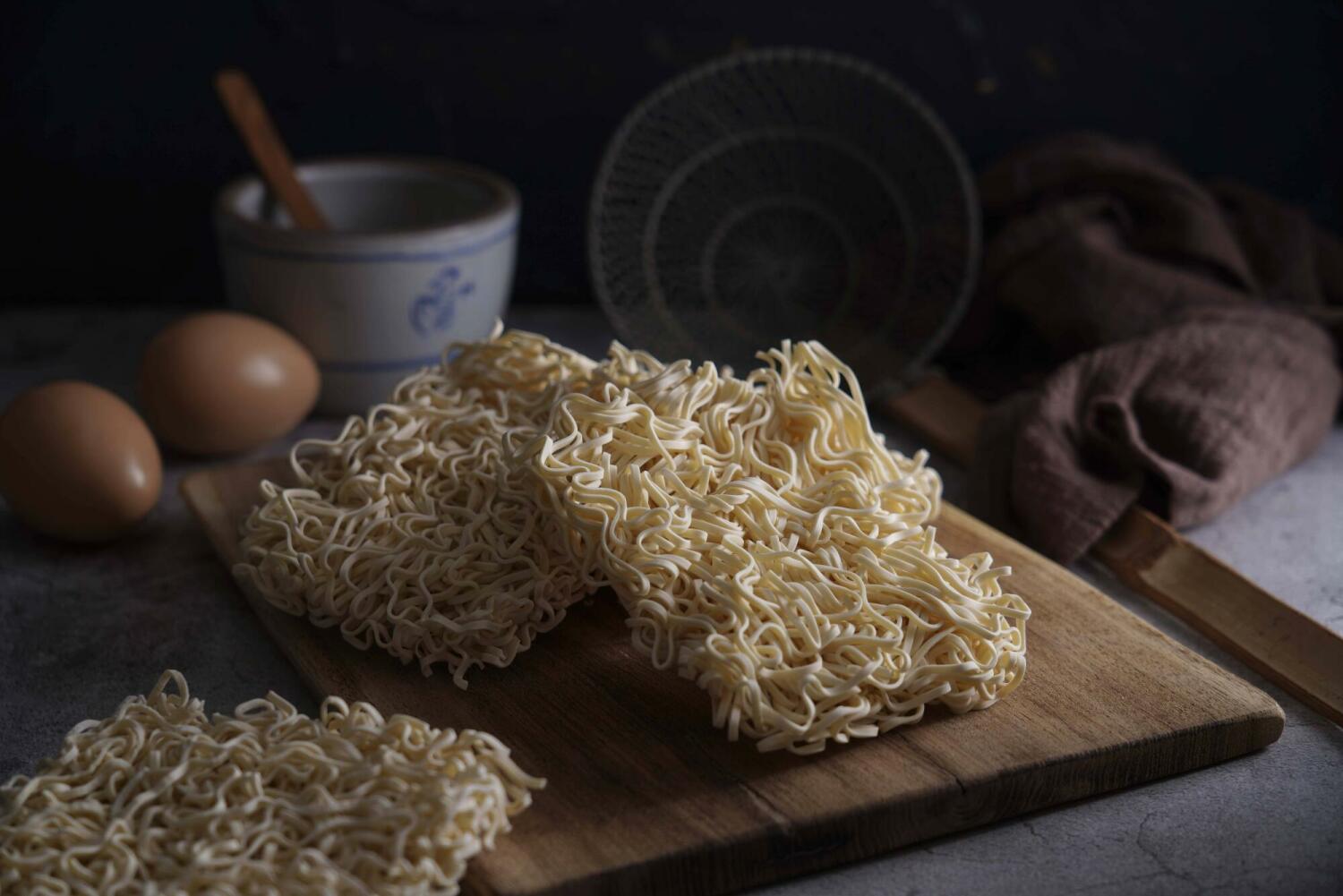
During cooking, the sheets soften quickly yet remain chewy and smooth without breaking or clouding the broth. This multi-stage method preserves wheat aroma and delivers a bowl of ramen that feels remarkably close to fresh noodles. For home kitchens and commercial foodservice alike, these ramen sheets offer a rare balance of convenience, health, and authenticity.
As a long-established ramen noodle manufacturer, we support brands seeking reliable noodle OEM manufacturing for non-fried, steam-cooked ramen products. As global demand for healthier Asian noodles continues to rise, non-fried, steam-cooked ramen has become the preferred choice for companies looking for a modern, wellness-driven offering.
With over 40 years of manufacturing experience, SING-LIN FOODS partners with distributors, grocery chains, and OEM clients across North America to create premium, healthy instant noodles tailored to market needs. From custom formulations and flavor development to private-label production, we help brands deliver authentic, convenient noodle products that meet modern wellness standards.
Healthy eating doesn’t mean giving up convenience. As more consumers seek better ingredients and transparent production, air-dried and steam-cooked healthy instant noodles represent the next chapter of ramen—offering less fat, fewer additives, and authentic flavor.
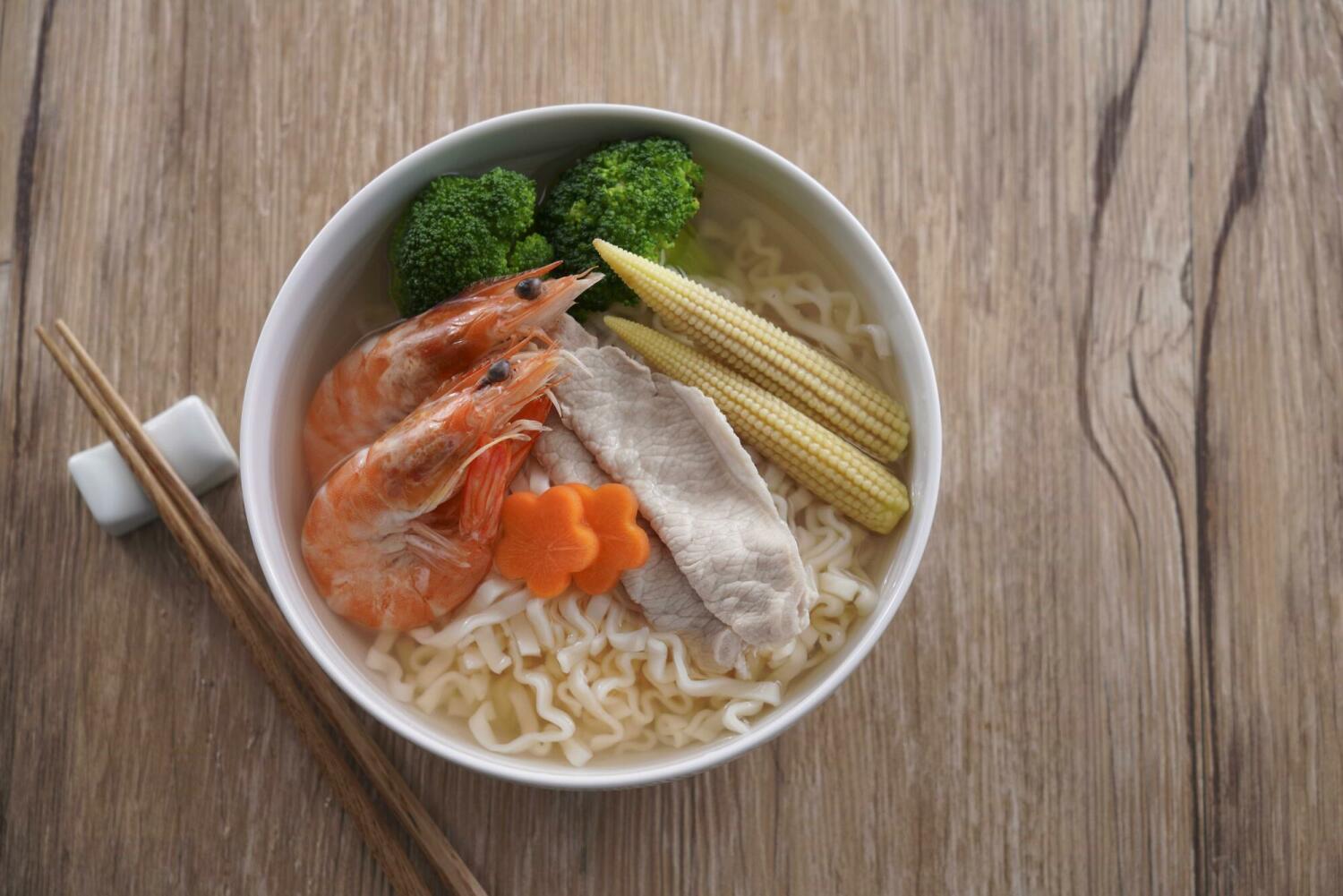
For us at SING-LIN FOODS, that’s what modern noodle-making is about: using technology to preserve the art of craftsmanship. From OEM development to branded products like Wu-Mu, our commitment remains the same—to craft healthy Asian noodles that are as consistent for partners as they are comforting for families. Today, we continue to stand among the leading healthy ramen noodle brands trusted by distributors and families worldwide.
Because we believe a truly good bowl of noodles starts long before the water boils.
Are ramen noodles healthy if they're air-dried or steam-cooked instead of fried?
Yes. Air-dried and steam-cooked ramen noodles are healthier than fried instant noodles because they’re made without oil. This process lowers total fat and helps preserve more of the wheat’s natural nutrients and elasticity.
How can I tell if instant noodles are fried or non-fried?
You can usually tell by checking the packaging. Non-fried ramen noodles are labeled air-dried, steam-cooked, or non-fried. Fried instant noodles often list palm oil or vegetable oil among the main ingredients and have a slightly oily or glossy appearance even before cooking.
Do non-fried ramen noodles taste different from regular instant noodles?
Yes, the texture and flavor are noticeably cleaner. Air-dried and steam-cooked noodles stay firm and springy, while fried noodles often taste heavier or oilier. The broth of non-fried noodles also stays clearer and more natural.
How long do healthy instant noodles take to cook?
Most air-dried and steam-cooked ramen noodles cook in 3 to 5 minutes, only slightly longer than traditional instant noodles. SING-LIN FOODS’ steam-cooked ramen sheets use high-pressure steam gelatinization, which shortens cooking time—ready in just 3 minutes while keeping the noodles light, smooth, and springy.
Do non-fried ramen noodles contain preservatives or additives?
No, most air-dried and steam-cooked noodles stay fresh naturally through dehydration, so they don’t require chemical preservatives. The ingredient list is simple—typically just wheat flour, water, and salt—offering a cleaner, healthier choice for everyday meals.
SING-LIN FOODS production lines have passed FSSC 22000 food safety management system certification by SGS, a trusted international third-party certification body. FSSC 22000 combines ISO 22000 and HACCP to provide enhanced risk control and quality management that ensures the highest safety standards are maintaining throughout the production process.
We also undergo regular food safety audits from large enterprises including Costco and Carrefour to demonstrate our commitment to quality and safety. We are continuing to optimize our production processes as well to become a trusted OEM partner.


© Copyright SING-LIN FOODS CORP. All Rights Reserved.
© Copyright SING-LIN FOODS CORP.
All Rights Reserved.


